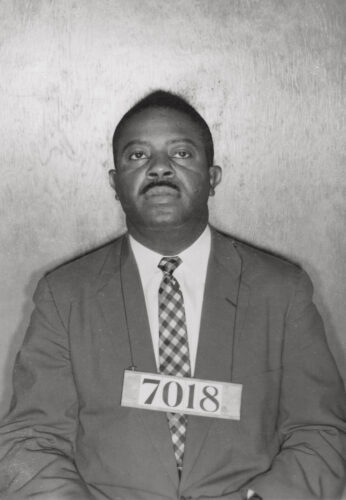
The Rev. Ralph David Abernathy
March 11, 1926 - April 17, 1990
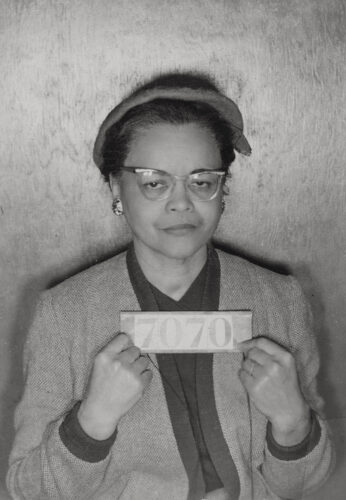
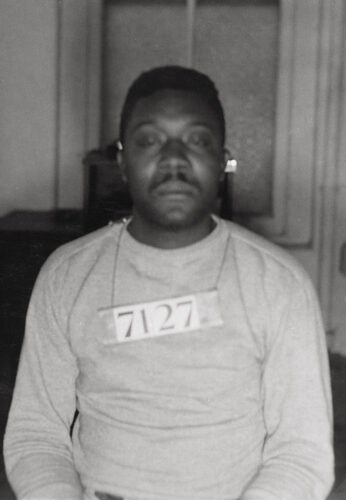
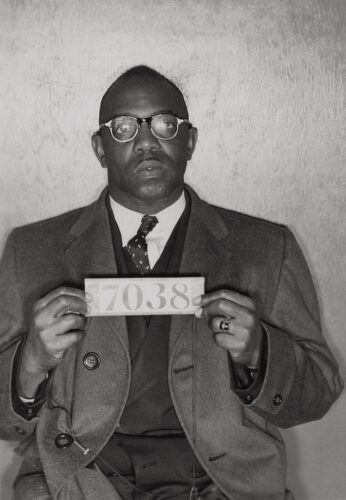
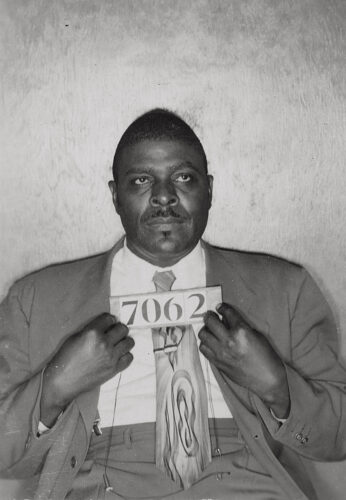
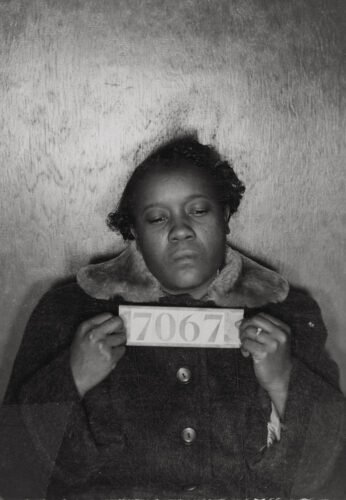
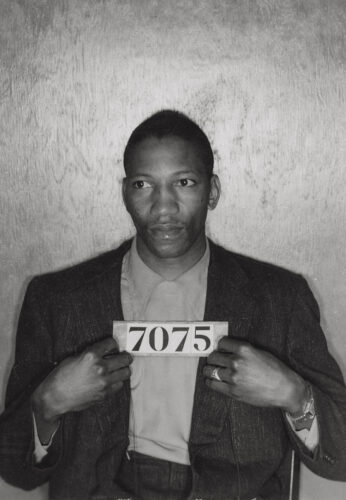
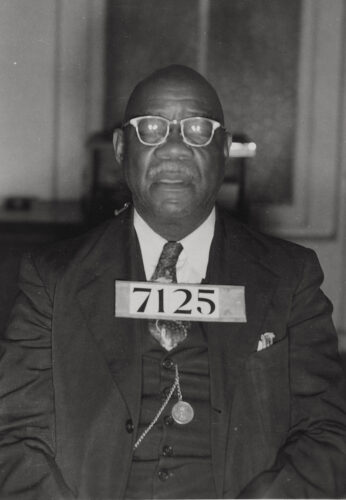
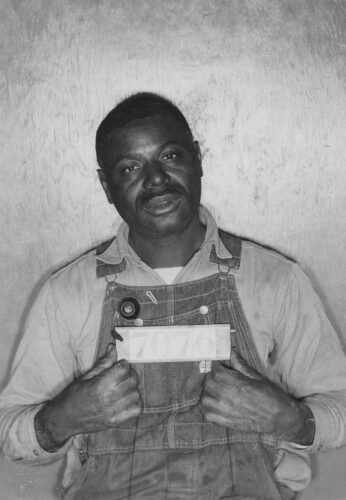
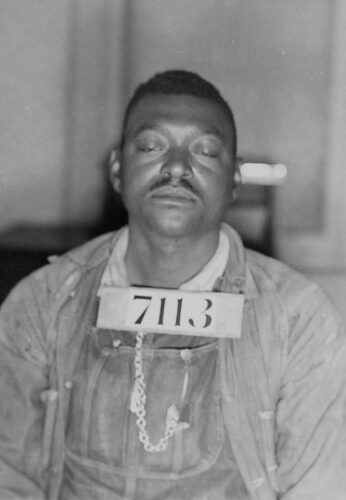
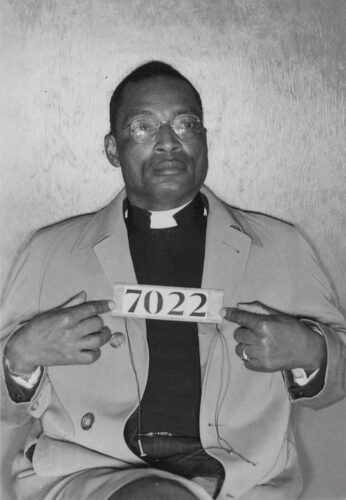
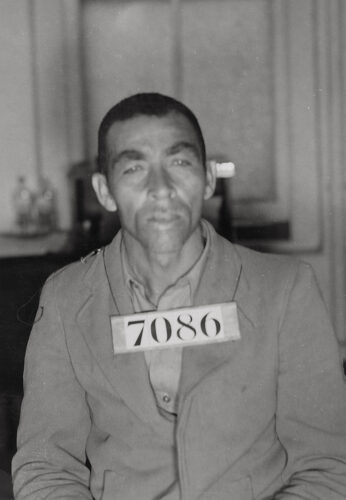
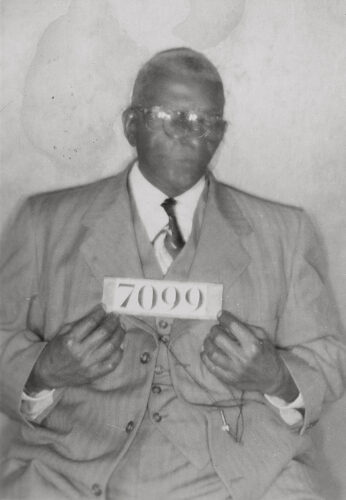
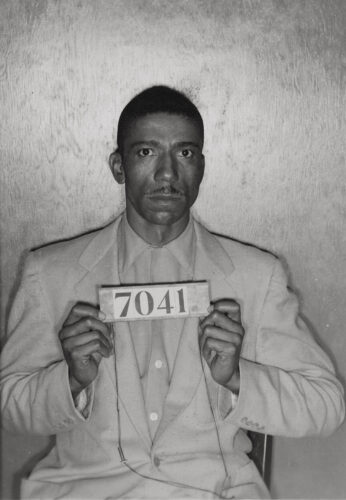
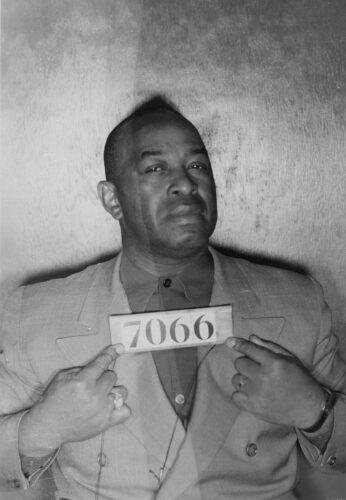
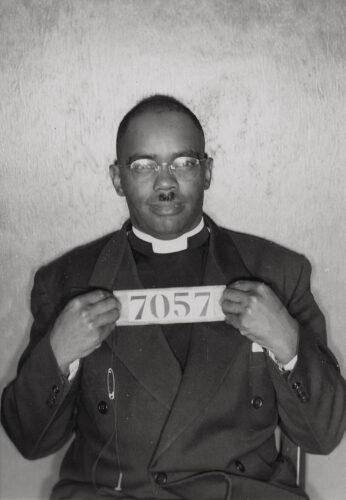
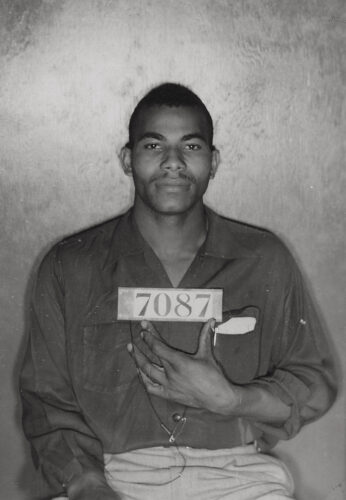
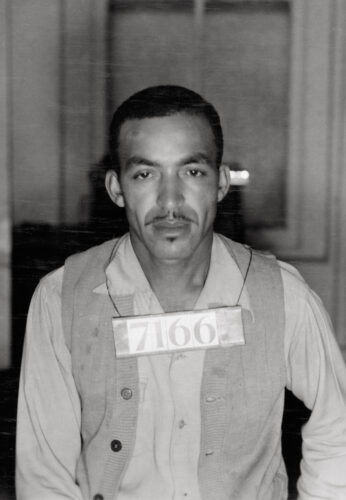
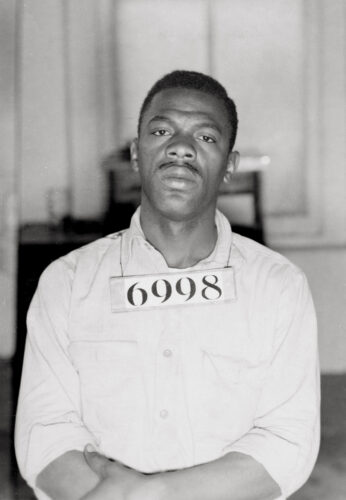
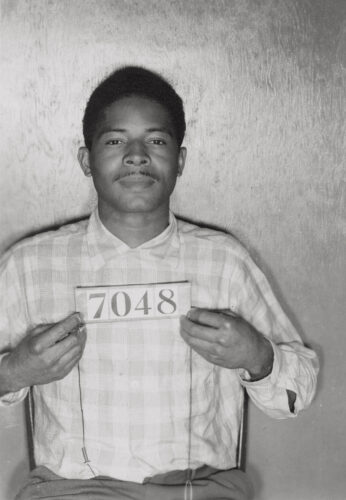
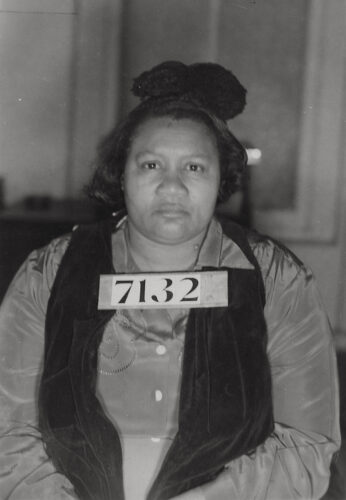
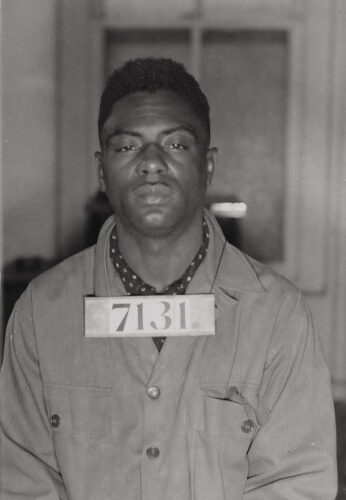
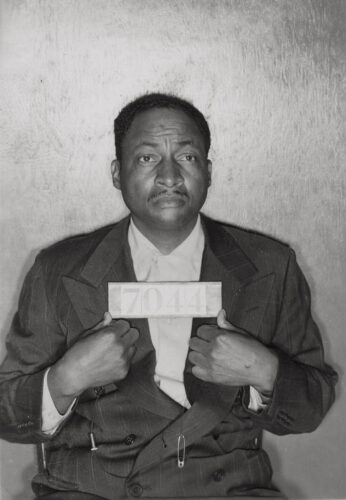
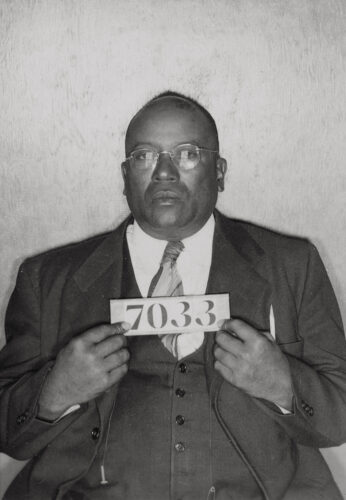
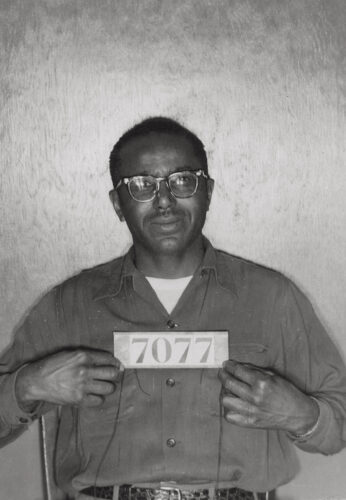
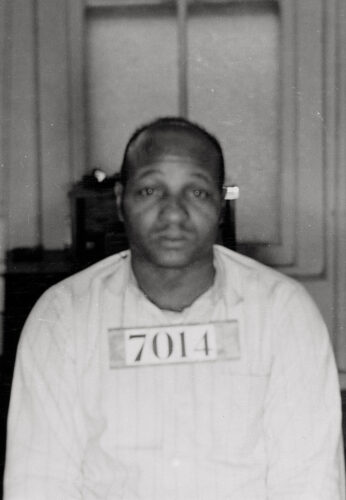
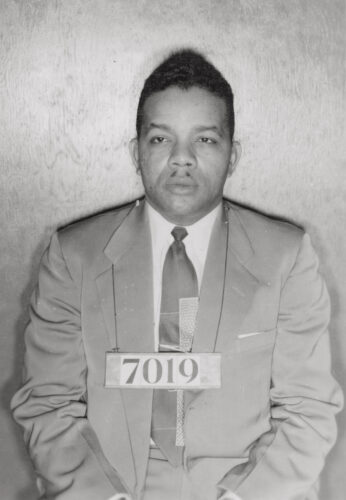
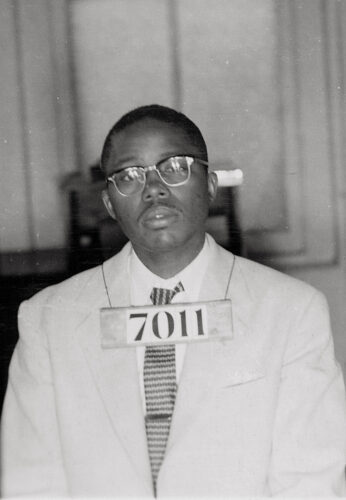
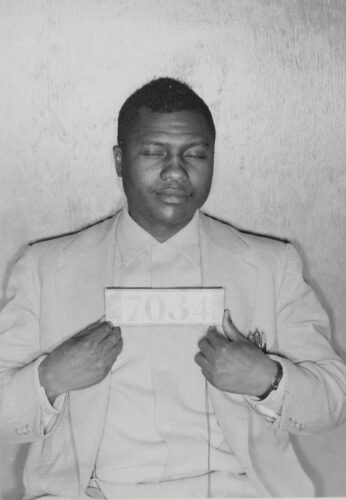
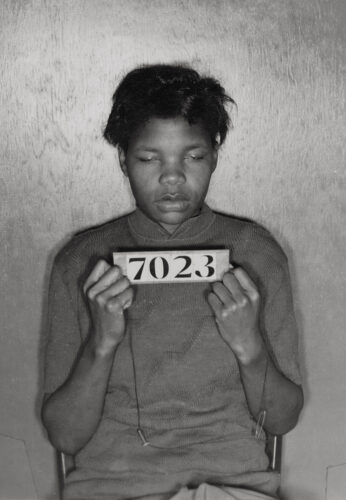
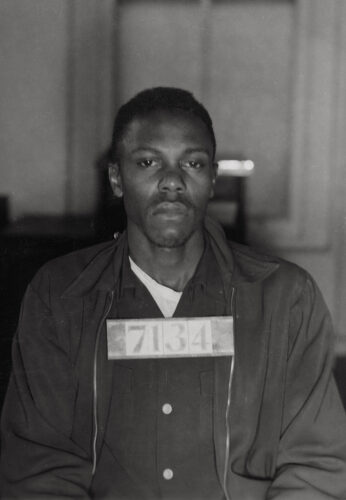
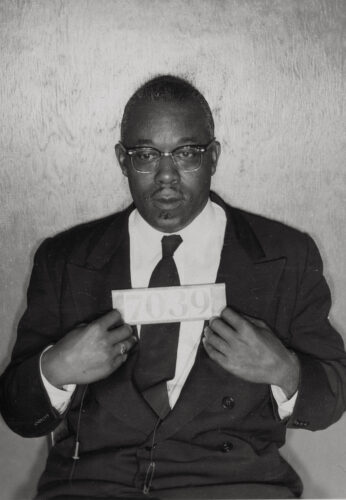
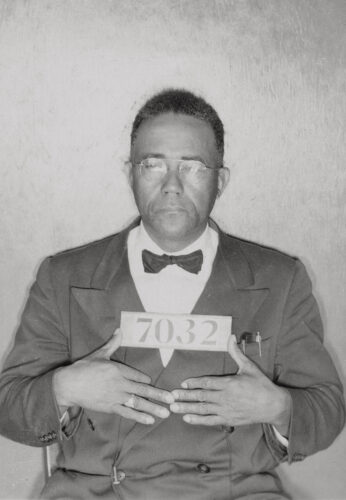
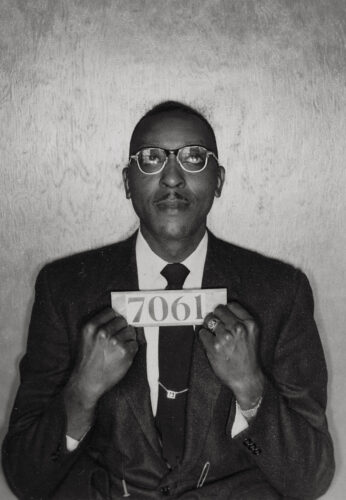
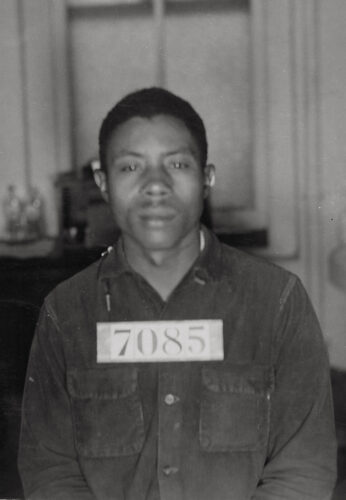
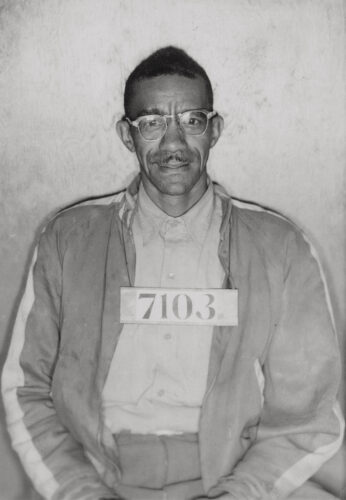
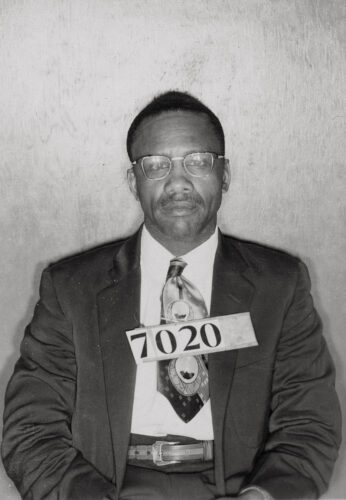
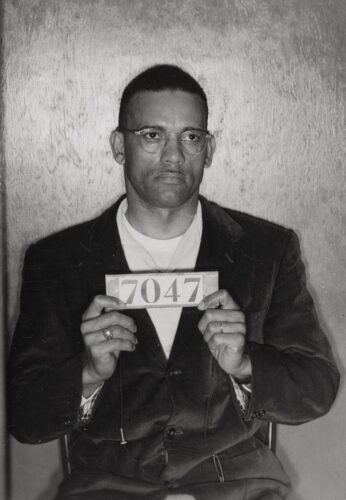
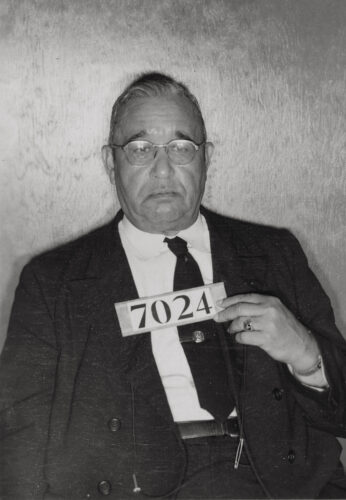
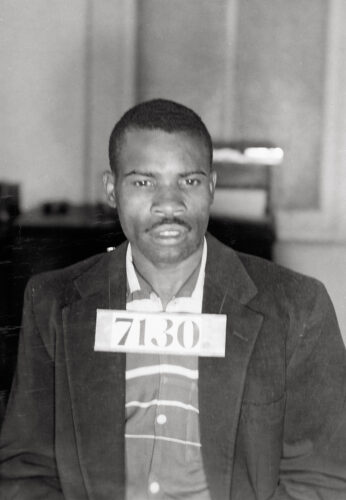
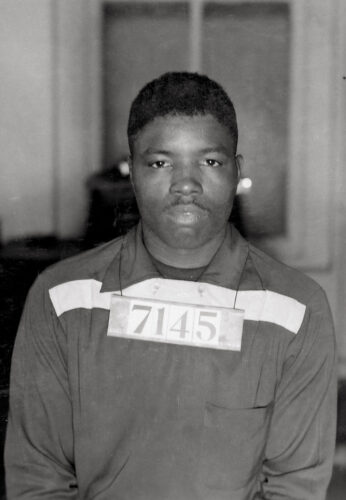
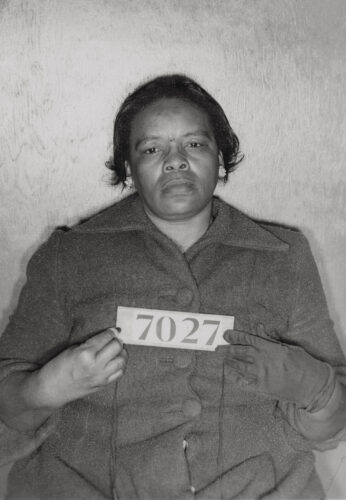
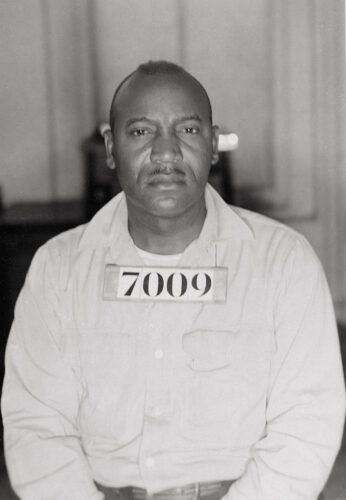
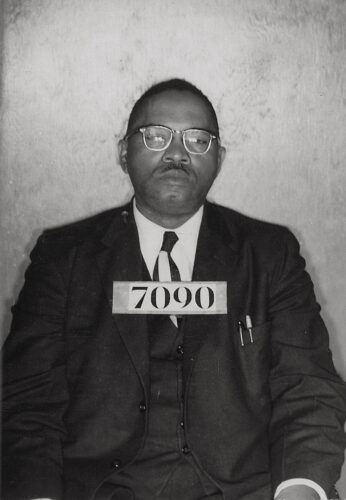
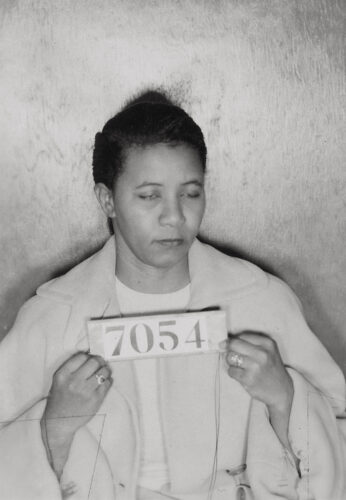
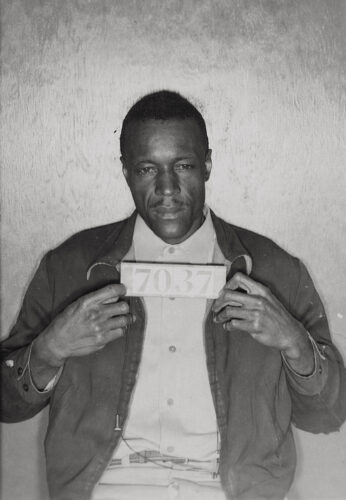
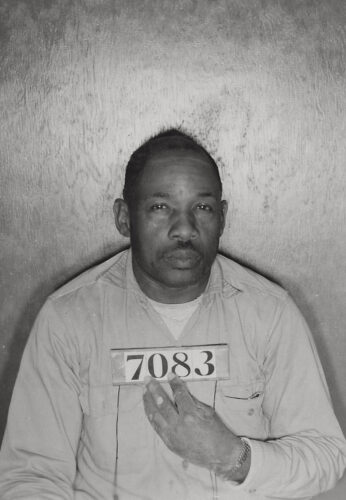
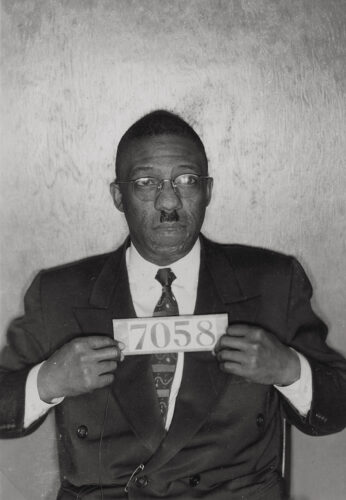
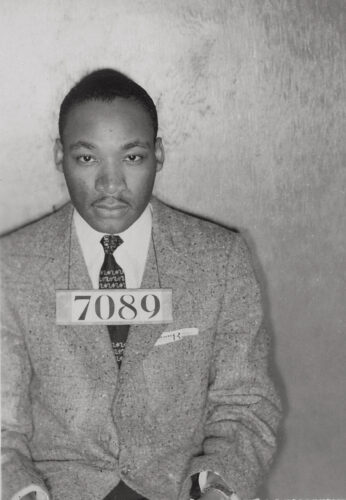
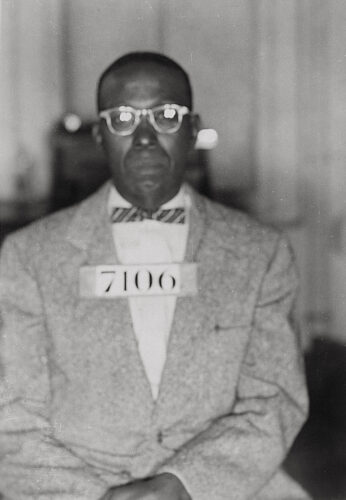
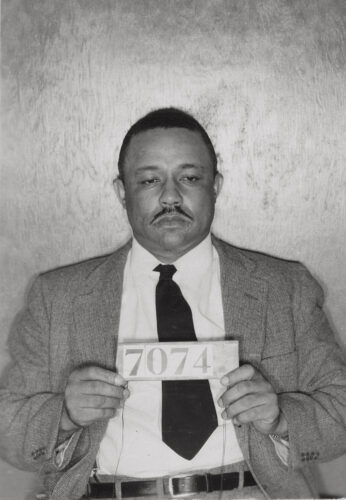
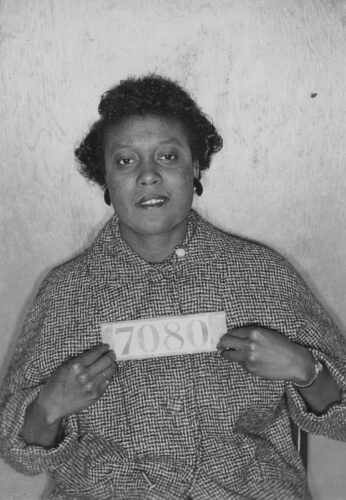
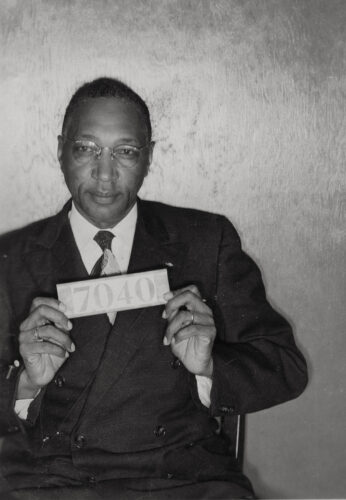
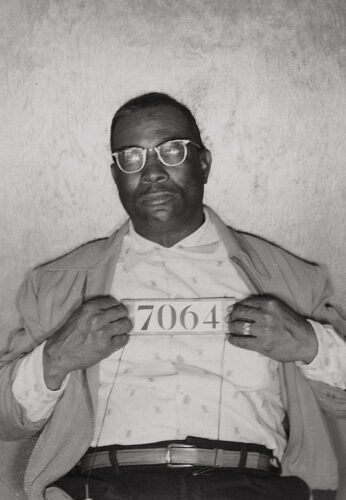
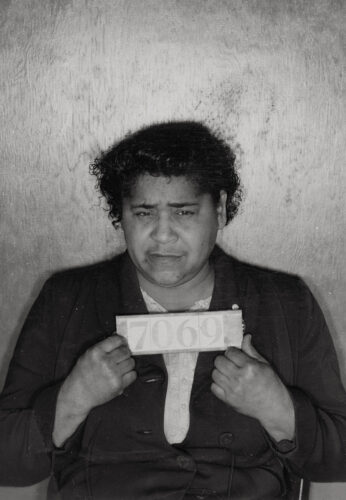
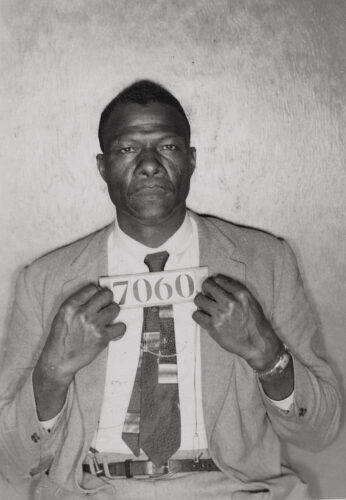
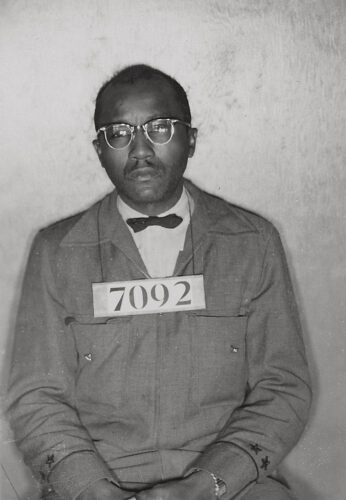
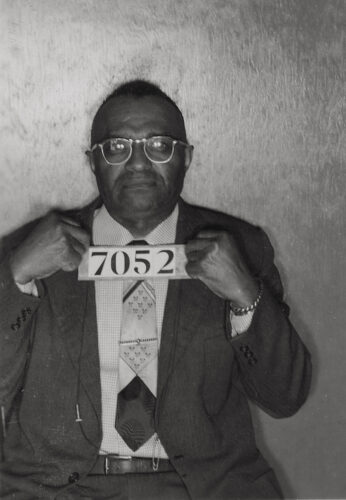
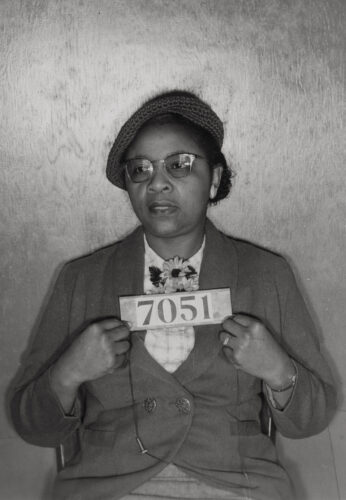
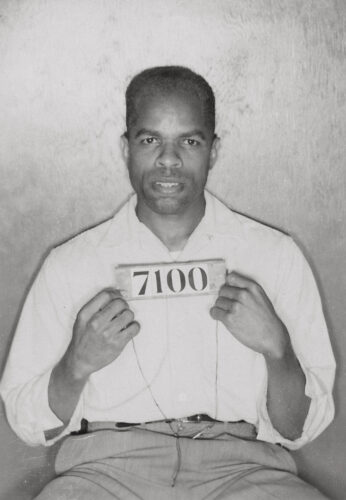
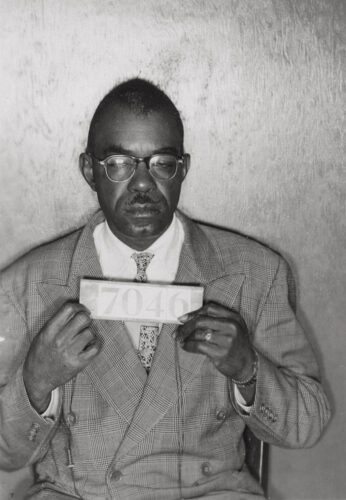
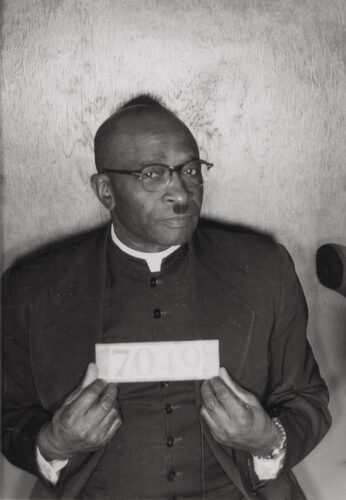
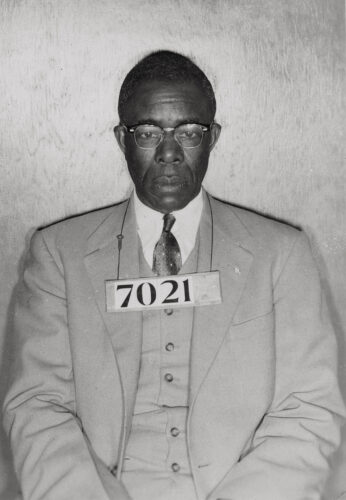
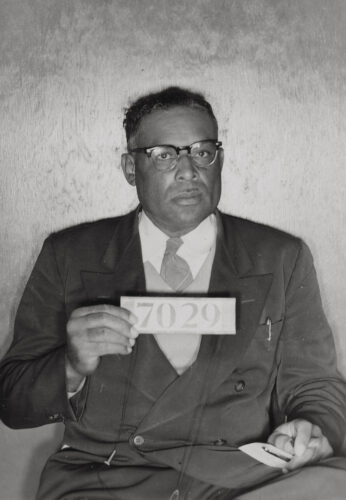
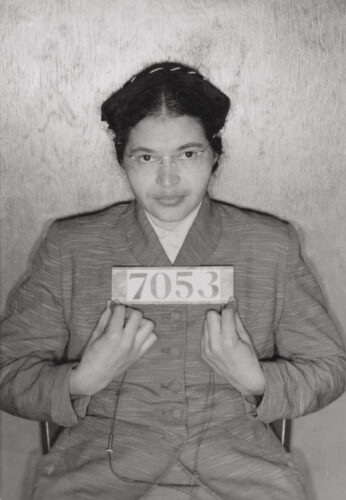
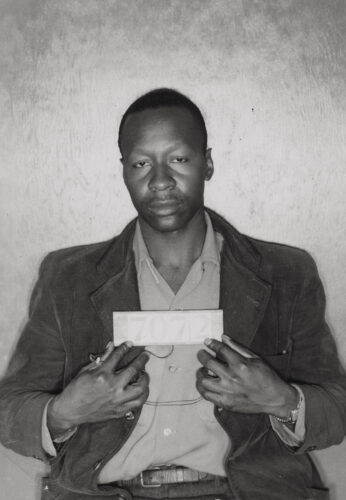
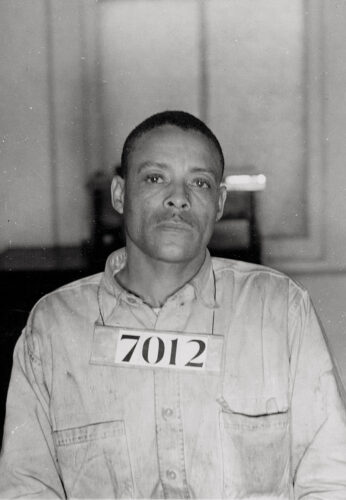
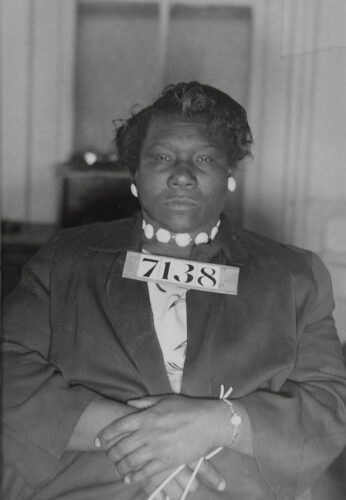
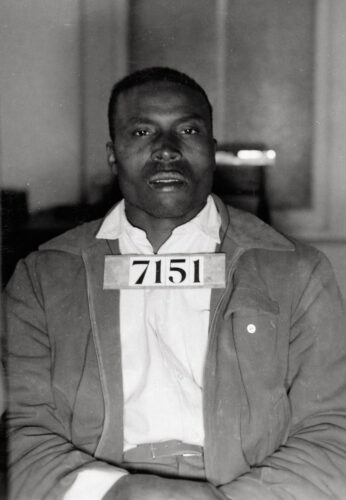
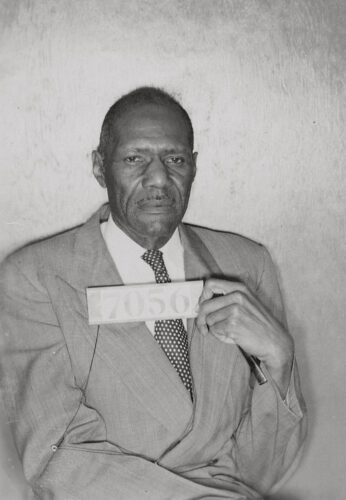
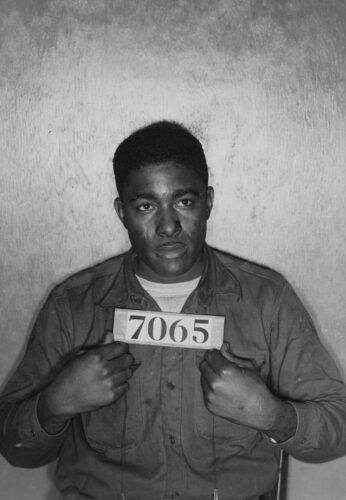
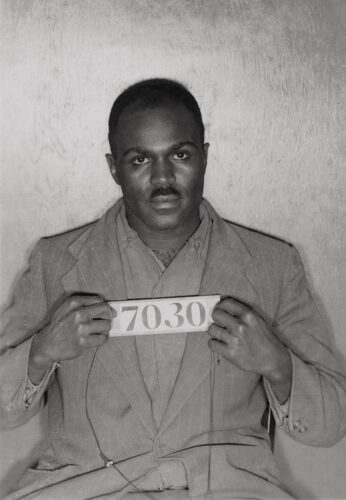
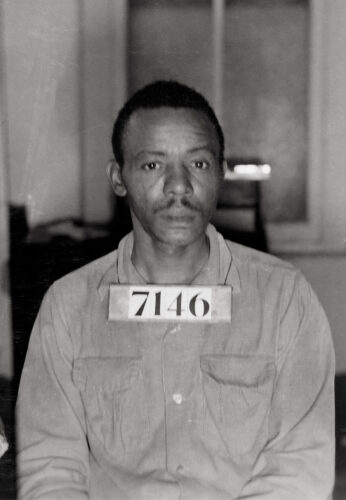
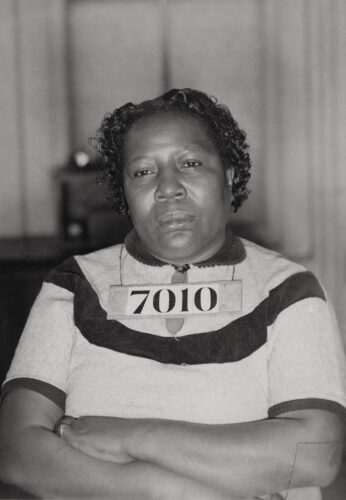
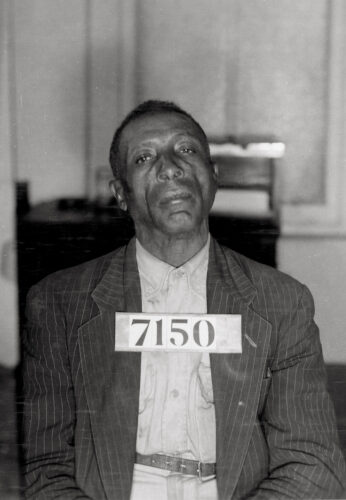
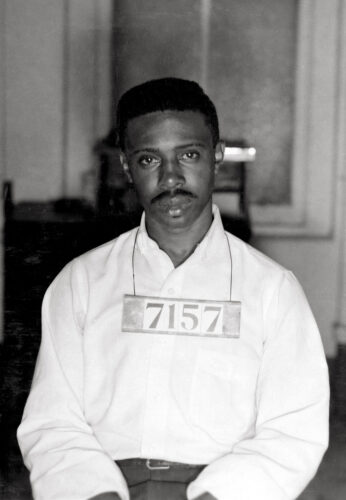
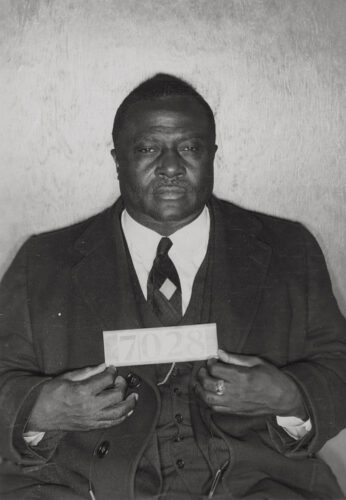
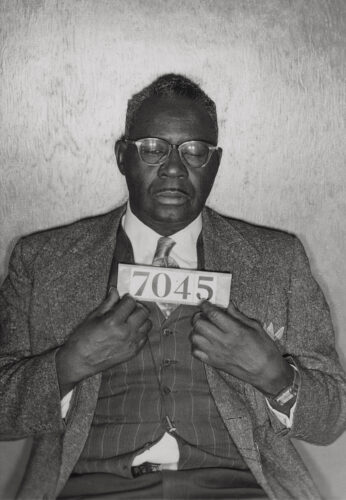
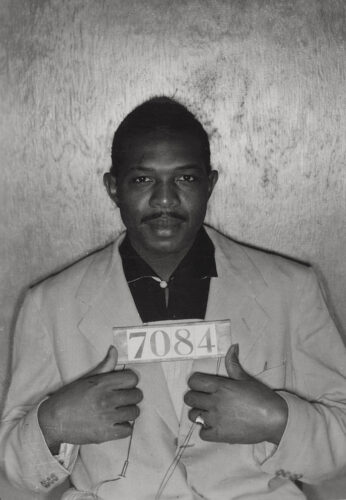
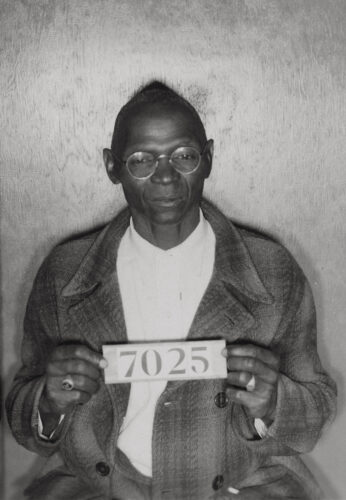
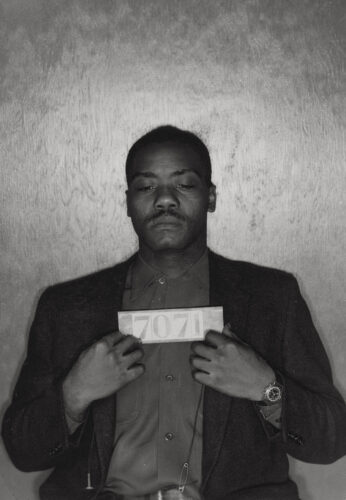
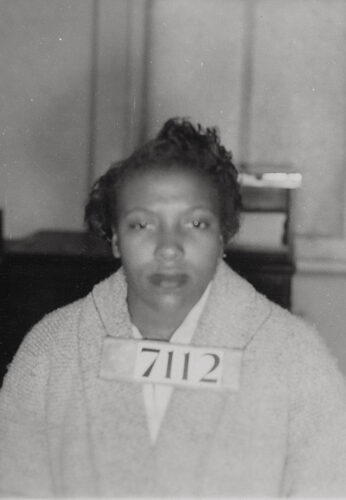
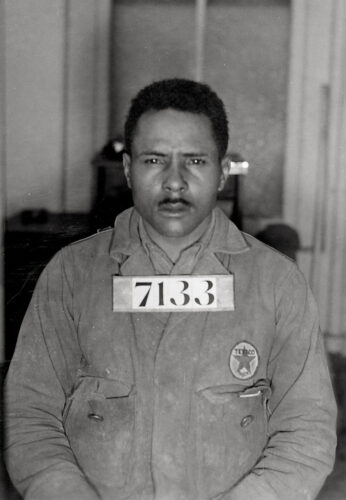
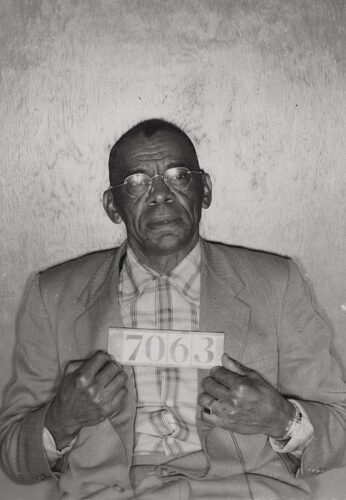
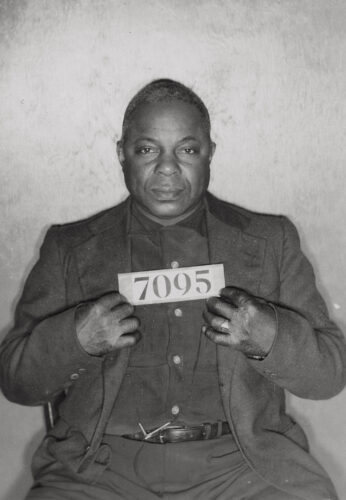
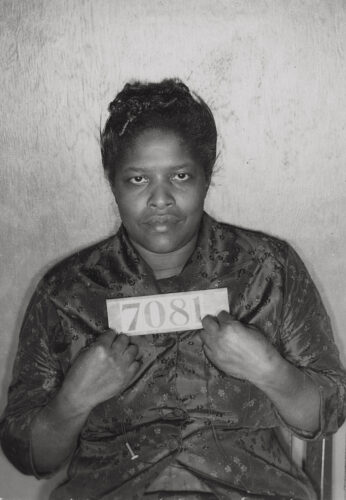
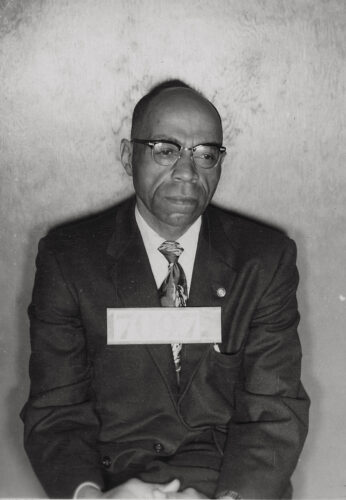
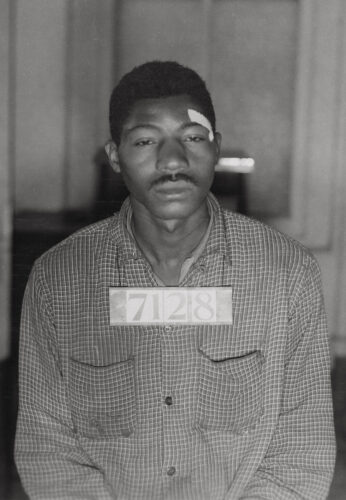
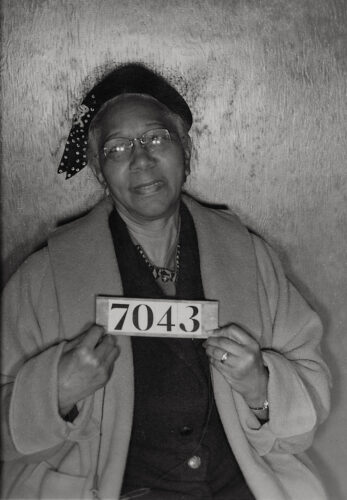
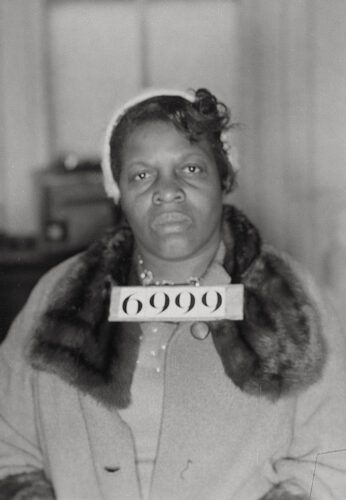
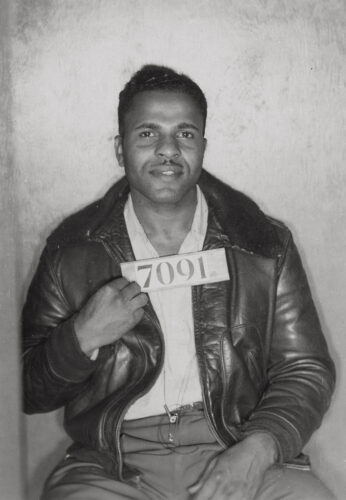
More than 100 Montgomery Bus Boycott activists were arrested in February 1956 for participating in the boycott. These courageous women and men took on enormous risks to unite and mobilize against racial segregation and humiliation on public transportation.
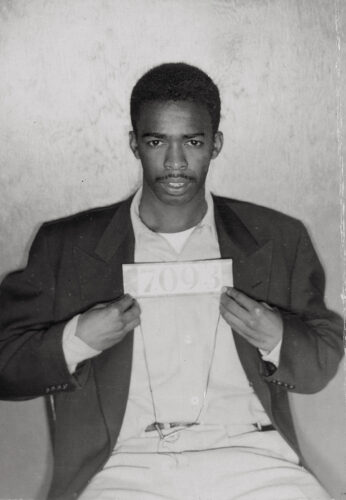
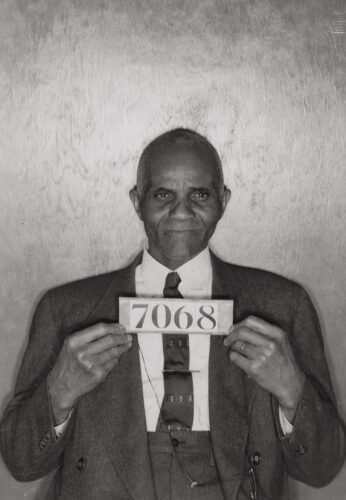
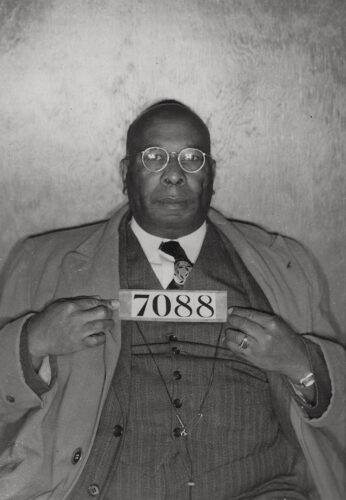
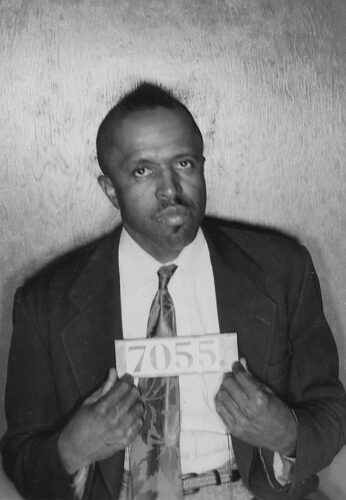
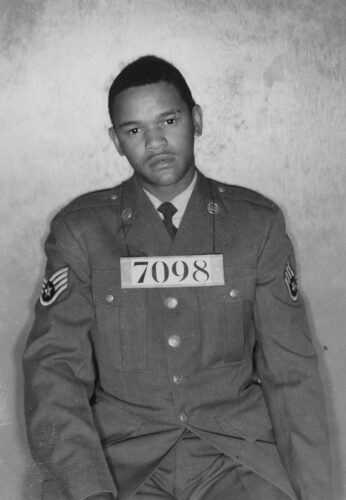
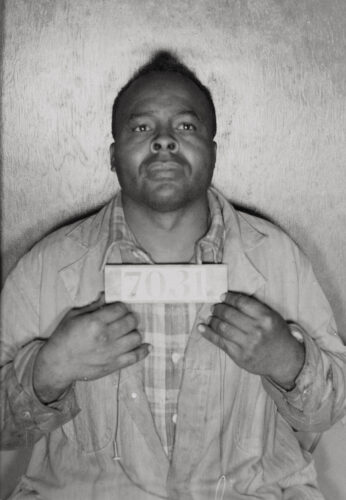
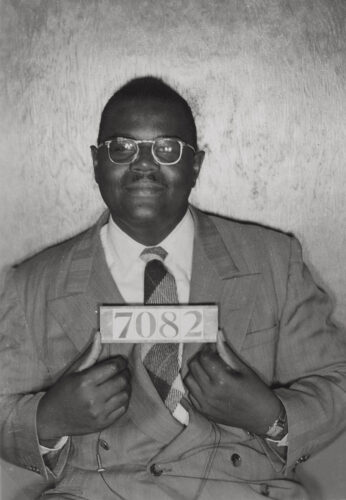
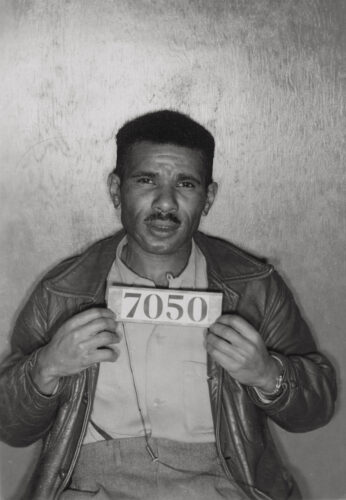
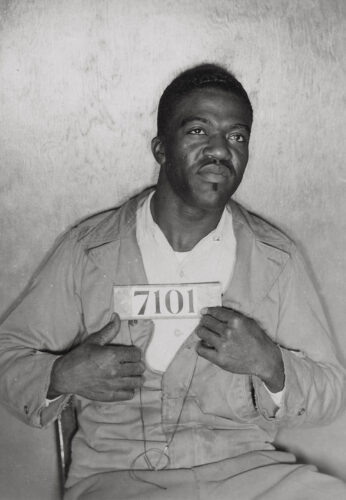
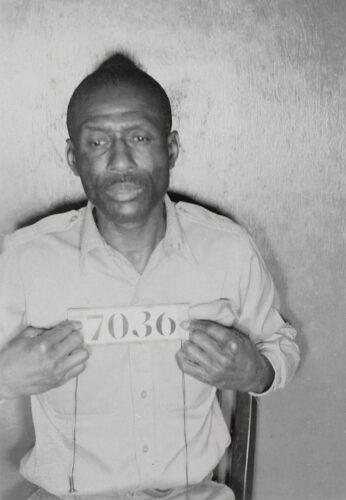
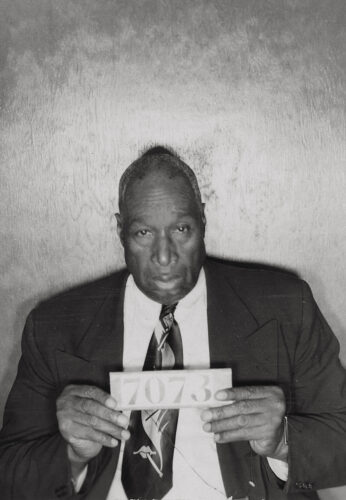
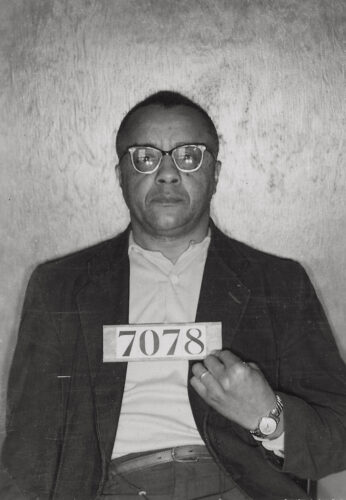
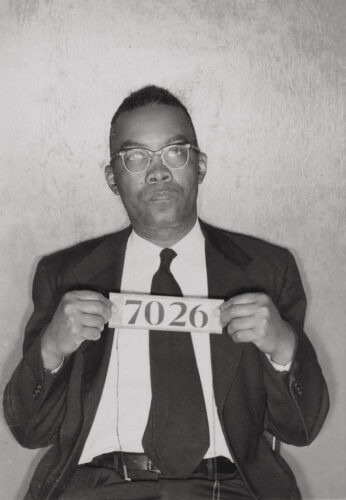
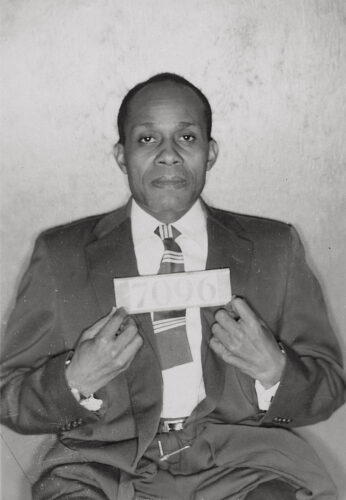
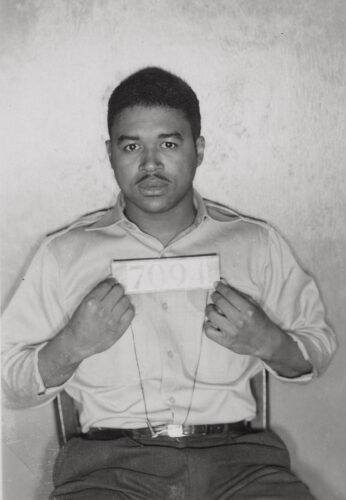
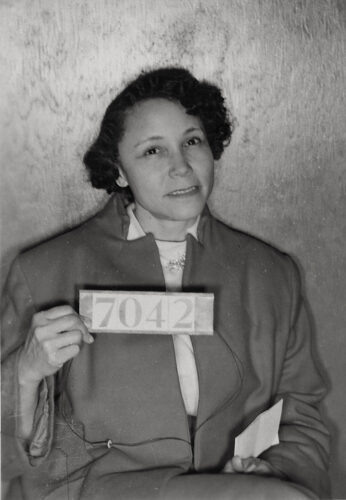
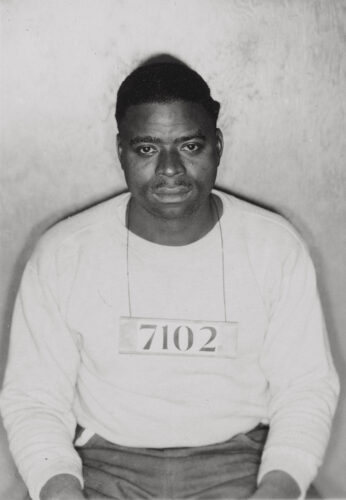
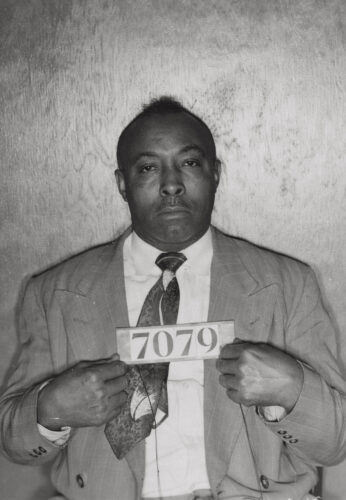
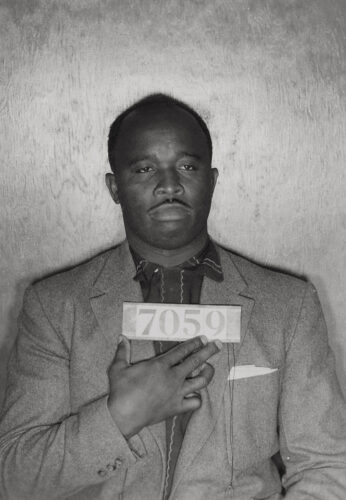
March 11, 1926 - April 17, 1990
July 3, 1905 - September 11, 1990
August 8, 1914 - September 6, 1986
March 14, 1915 - August 20, 1989
April 30, 1910 - March 25, 1974
1920 - December 3, 1997
January 13, 1926 - December 6, 2004
January 8, 1895 - January 1970
April 10, 1910 - February 26, 1985
June 28, 1926 - September 8, 1973
January 20, 1908 - January 3, 1984
July 21, 1893 - April 11, 1970
March 28, 1911 - January 7, 1979
February 20, 1902 - September 19, 1976
November 23, 1905 - May 16, 1982
October 31, 1932 - November 3, 2023
March 23, 1921 - January 1978
May 18, 1932 - August 11, 2012
January 16, 1929 - June 39, 1986
May 29, 1910 - June 1980
August 1, 1924 - February 22, 2001
May 12, 1912 - January 30, 1998
January 14, 1899 - September 25, 1977
March 15, 1930 - September 30, 1984
1884/1885 - January 11, 1978
July 5, 1893 - September 2, 1974
December 13, 1914 - December 6, 1997
1930 - March 19, 1994
March 28, 1907 - May 29, 1980
November 12, 1921 - February 6, 1979
April 11, 1919 - March 30, 2006
1909 - December 16, 1999
November 18, 1916 - February 25, 1986
December 14, 1930 -
June 2, 1923 - April 18, 2011
July 25, 1930 - September 17, 1990
April 12, 1932 - May 27, 2018
August 2, 1905 - March 16, 1970
September 28, 1898 - September 15, 1979
April 27, 1912 - December 26, 1981
October 16, 1925 - August 13, 1977
February 8, 1909 - 1972
June 12, 1912 - January 23, 1998
May 13, 1920 - July 19, 2004
March 6, 1892 - September 12, 1967
1909 - July 20, 1991
March 10, 1912 - December 27, 1978
1909 - January 24, 1971
May 21, 1921 - November 24, 1990
May 6, 1912/1913 - June 5, 1979
July 21, 1904 - July 2, 1966
1912 - May 29, 1992
January 16, 1926 - November 3, 2005
August 7, 1910 - November 24, 1980
September 4, 1887 - January 30, 1970
September 18, 1903 - April 1975
January 15, 1929 - April 4, 1968
February 6, 1907 - May 2, 1990
March 5, 1916 - April 26, 1986
November 16, 1927 - April 1, 1993
March 6, 1894 - June 23, 1968
February 22, 1908 - April 22, 1984
September 23, 1905 - October 17, 1982
February 10, 1910 - August 14, 1978
June 28, 1913 - July 28, 1992
December 24, 1901 - January 17, 1967
1906 - July 16, 2004
August 14, 1926 - April 19, 2007
1909 - circa 1981
1901 - January 1983
July 12, 1899 - February 25, 1987
December 27, 1901/1902 - July 14, 1971
February 4, 1913 - October 24, 2005
June 26, 1923 - March 16, 2011
October 5, 1919 - March 8, 2005
April 2, 1917 - July 14, 1984
1895 - January 3, 1981
June 23, 1932 - October 14, 2019
September 16, 1923 - February 11, 1995
November 2, 1908 - August 4, 1982
July 12, 1909 - October 5, 1961
January 13, 1932 - September 3, 2012
April 17, 1912 - August 29, 1992
January 1, 1919 - August 14, 1980
1903 - November 24, 1980
August 10, 1931 - January 30, 1996
June 6, 1924 - May 14, 2002
January 25, 1899 - April 8, 1988
April 1, 1904 - September 15, 1985
July 8, 1930 - October 12, 2016
June 16, 1897 - October 30, 1963
March 7, 1927 - March 17, 2002
June 1934 -
July 12, 1893 - February 1, 1967
January 14, 1905 - July 1969
April 24, 1918 - June 26, 1979
October 19, 1904 - October 23, 1971
September 23, 1930 - July 25, 1966
September 30, 1890 - September 7, 1975
July 26, 1912 - June 24, 1980
January 24, 1907 - April 25, 1980
May 23, 1919 - July 6, 1999

April 25, 1926 - May 15, 1976
February 13, 1913 - January 1, 1996
November 1933 - April 23, 2016
September 19, 1911 - August 8, 1987
August 9, 1907 - September 7, 1979
September 17, 1918 - March 23, 2012
June 23, 1920 - July 13, 1984
January 27, 1933 - November 10, 2012
November 18, 1919 - March 15, 1994
August 20, 1936 - March 28, 1993
August 3, 1902 - August 1989
January 15, 1929 - April 4, 1968
Born in 1929 in Atlanta, Georgia, the Rev. Martin Luther King Jr. became the most prominent leader of the civil rights movement. When Dr. King was 15 years old, he enrolled at Morehouse College, an all-male historically Black university in Atlanta. While earning his doctorate in Boston, Dr. King met his spouse and fellow activist, Coretta Scott King, and the couple relocated to Montgomery, Alabama, where Dr. King became the pastor of Dexter Avenue Baptist Church. After Rosa Parks was arrested for refusing to give up her seat on a segregated Montgomery city bus, Dr. King was selected as president of the Montgomery Improvement Association (MIA)—a group of Black ministers and community leaders that facilitated the 13-month Montgomery Bus Boycott. The MIA hosted twice-weekly mass meetings at Black Montgomery churches during the boycott. Dr. King was regarded as the boycott’s leader in the pulpit and the press, making him a target for harassment and intimidation by police and placing his life, as well as the lives of his family members, at grave risk. The Montgomery mayor implemented a “get tough” policy in response to the success of the boycott and began arresting boycott supporters for minor or imagined traffic violations and other offenses. In January 1956, Dr. King was arrested for the first time, allegedly for driving 30 mph in a 25 mph zone. Four days later, his home was bombed with his wife and infant daughter inside. Dr. King and over 100 others were arrested for participating in the Montgomery Bus Boycott, but only he was prosecuted for allegedly organizing an illegal boycott. Despite his conviction, the protest continued until the Supreme Court’s mandate declaring racial segregation unconstitutional on public transportation in December 1956.
Thrust into the national spotlight, Dr. King founded the Southern Christian Leadership Conference (SCLC), through which he organized a series of nonviolent protests. Dr. King lived and worked under the constant threat of violence from those opposed to racial equality; he and his family were routinely harassed and menaced. Rather than protect Dr. King, Southern law enforcement routinely targeted him. Dr. King was arrested more than 25 times for engaging in nonviolent protest; while incarcerated, he wrote his powerful “Letter From Birmingham Jail,” in which he explained why nonviolent protest was necessary to counter injustice. In 1963, Dr. King delivered his famed “I Have a Dream Speech” to 250,000 people during the March on Washington for Jobs and Freedom. In 1964, Dr. King was awarded the Nobel Peace Prize for his leadership of the civil rights movement and his emphasis on principles of nonviolence. On April 4, 1968, Dr. King was fatally shot at the Lorraine Motel in Memphis, Tennessee, where he had traveled to support Black sanitation workers striking for safe working conditions and equal pay. In his last speech, Dr. King told the audience: “I’ve seen the promised land. I may not get there with you. But I want you to know tonight, that we, as a people, will get to the promised land.”