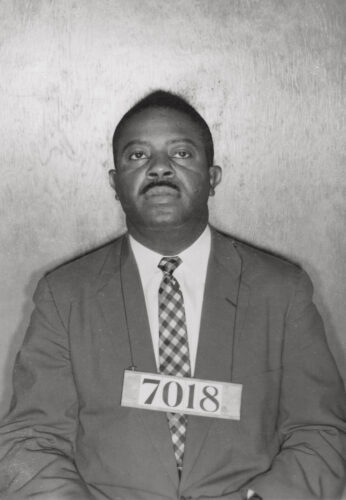
The Rev. Ralph David Abernathy
March 11, 1926 - April 17, 1990
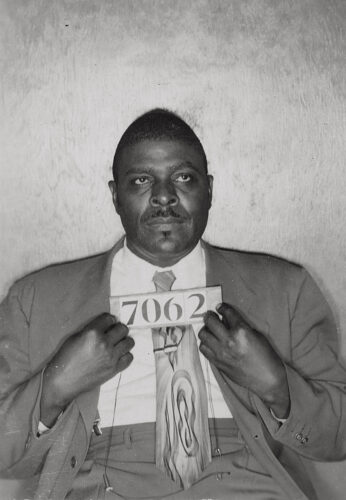
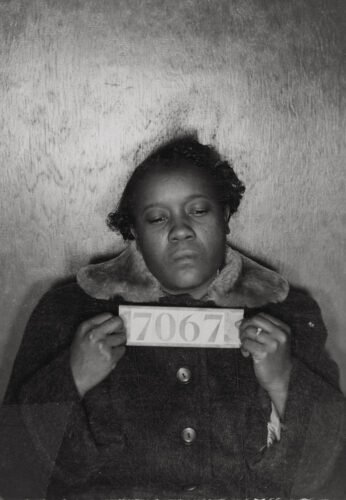
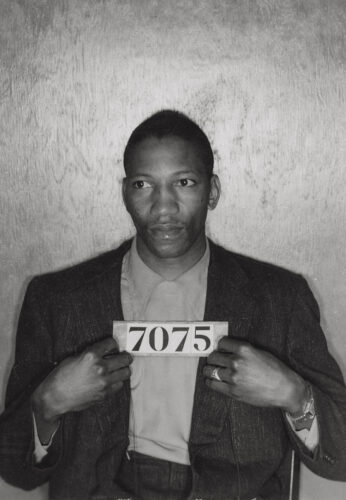
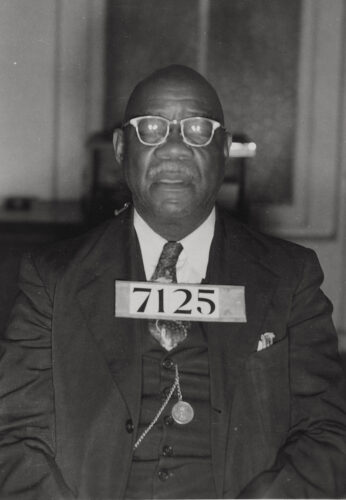
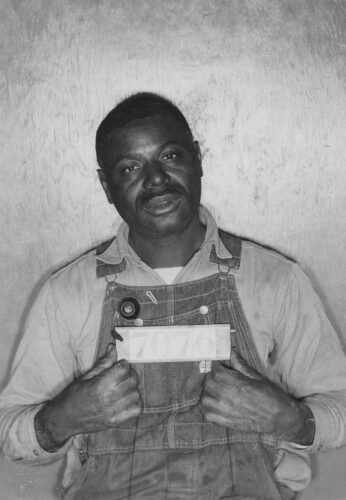
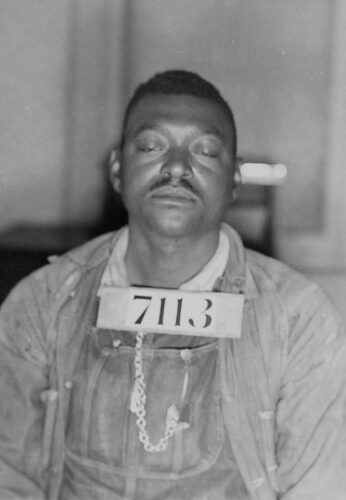
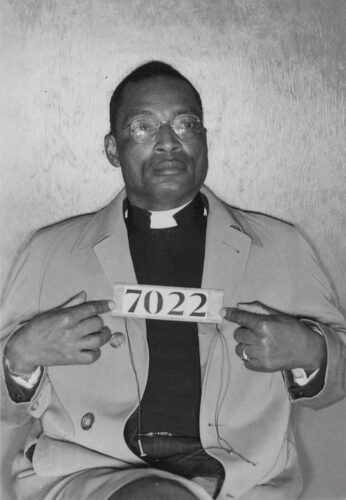
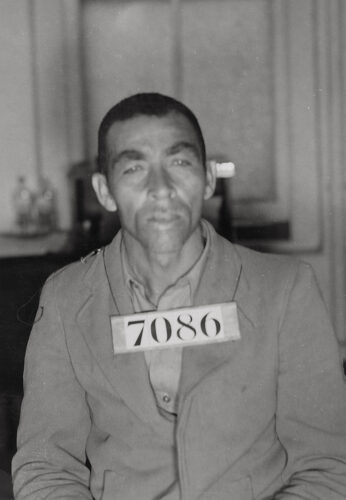
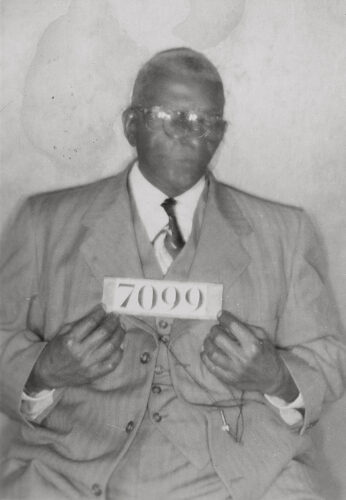
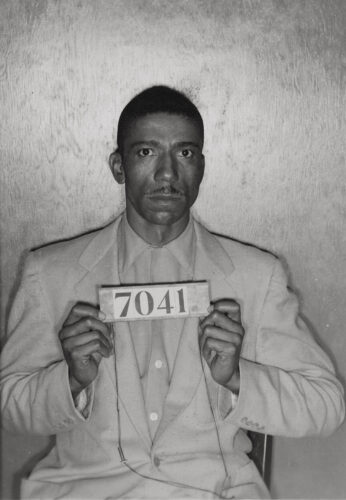
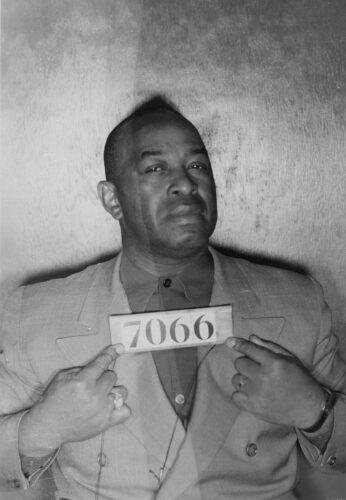
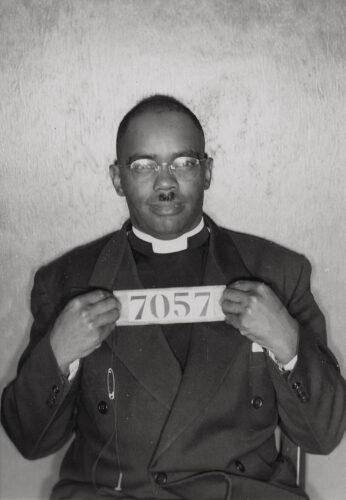
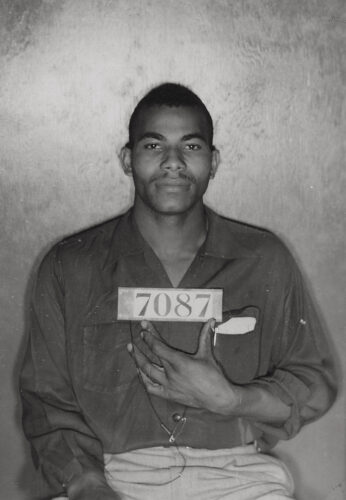
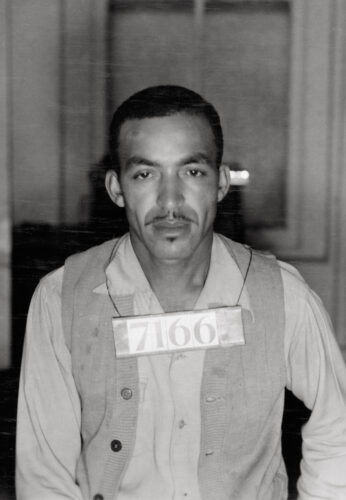
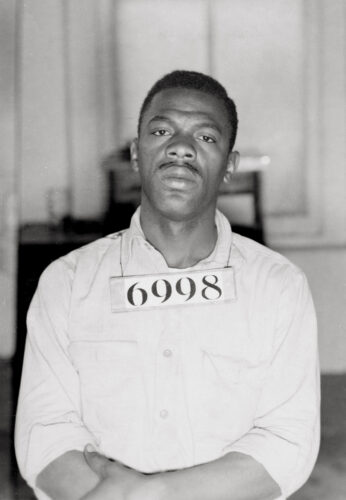
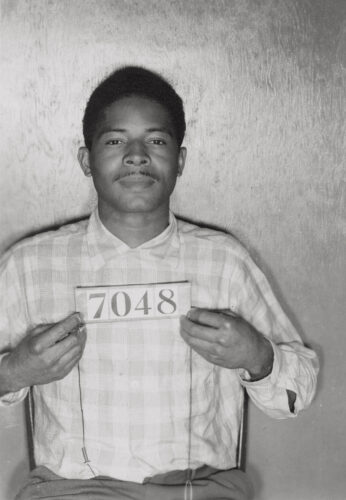
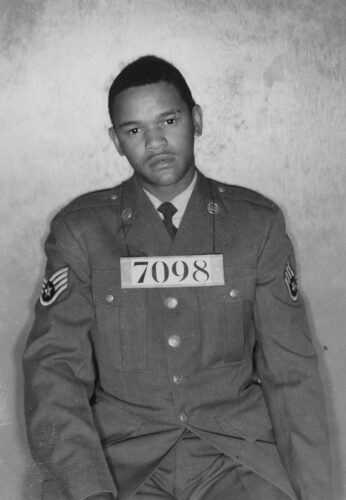
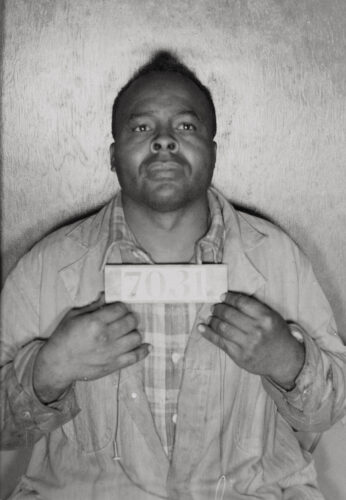
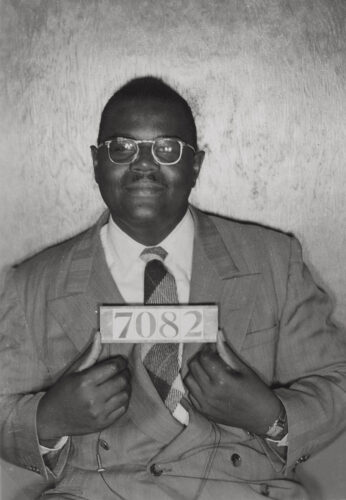
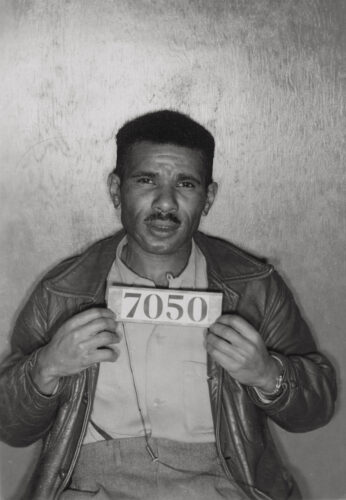
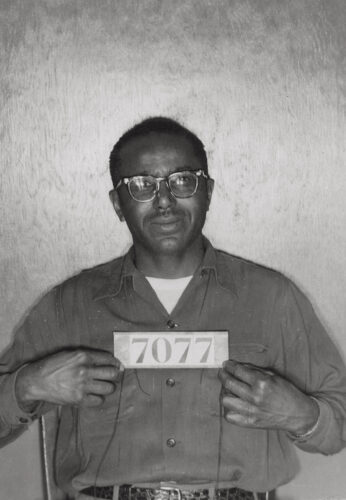
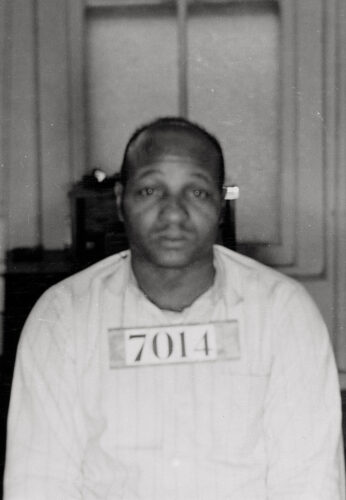
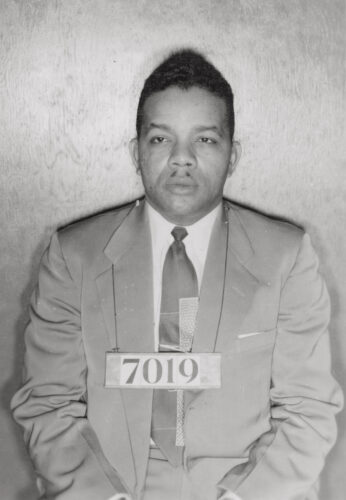
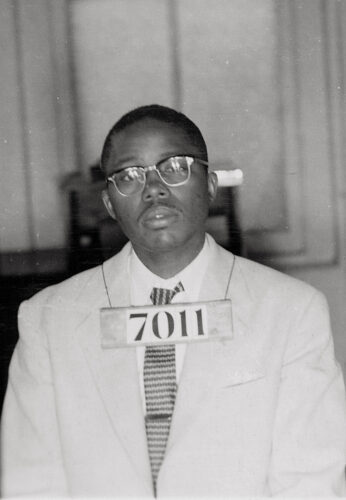
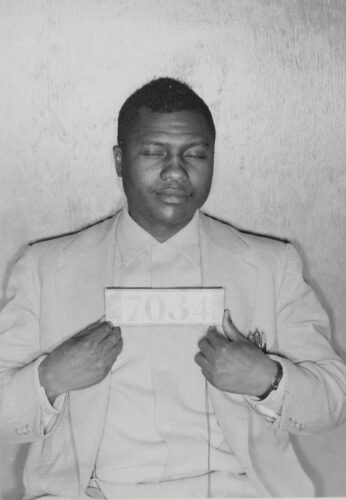
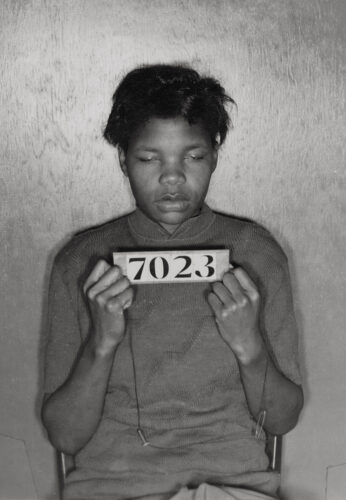
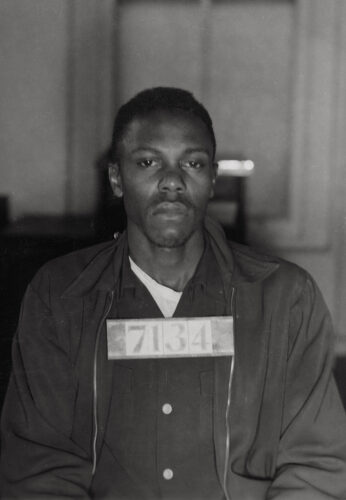
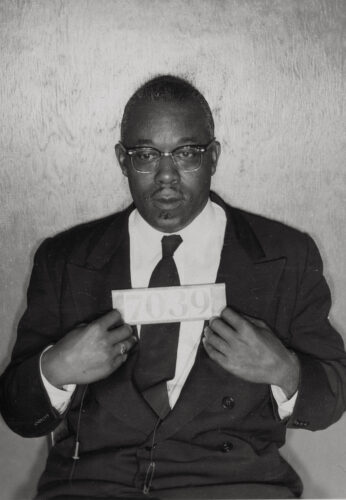
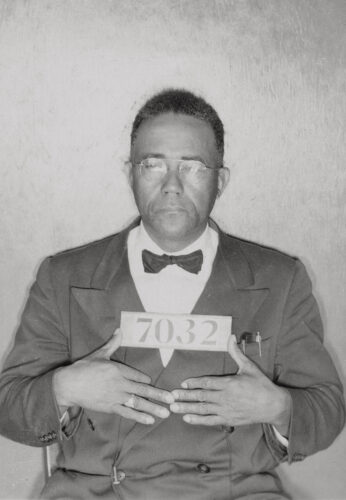
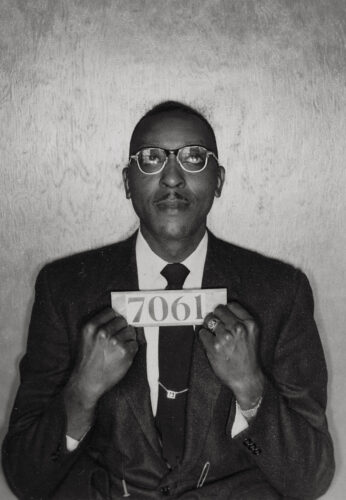
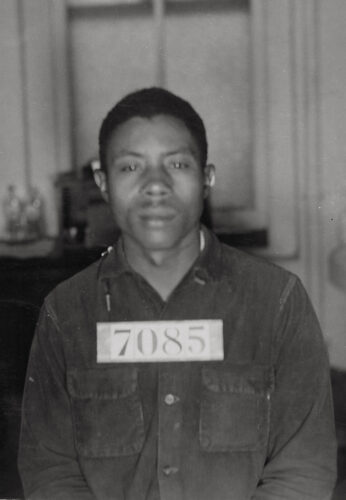
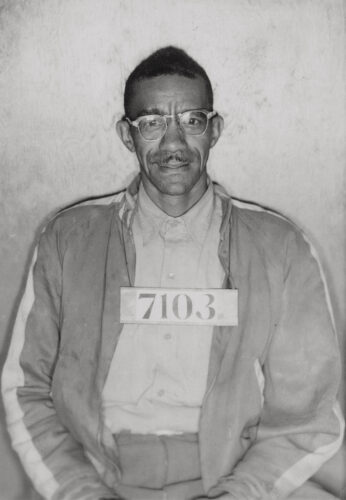
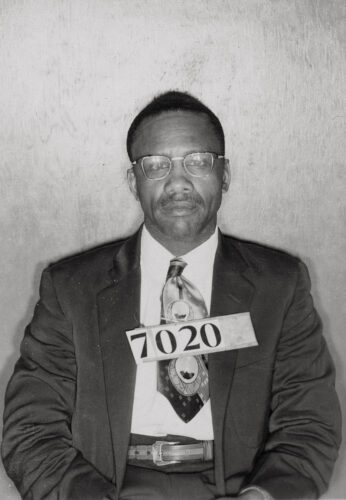
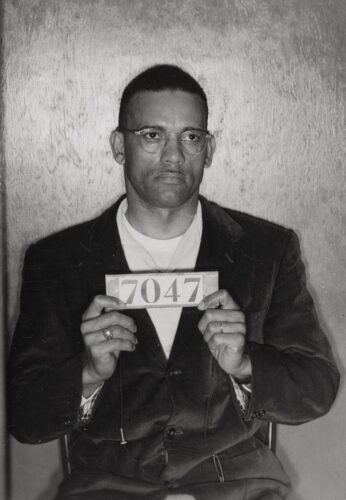
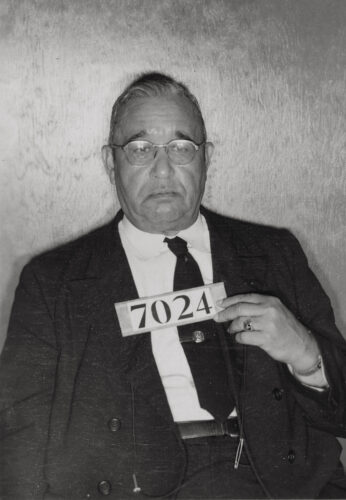
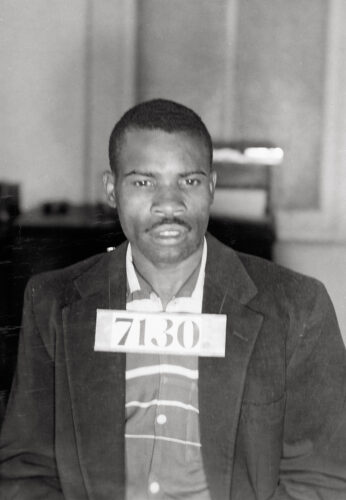
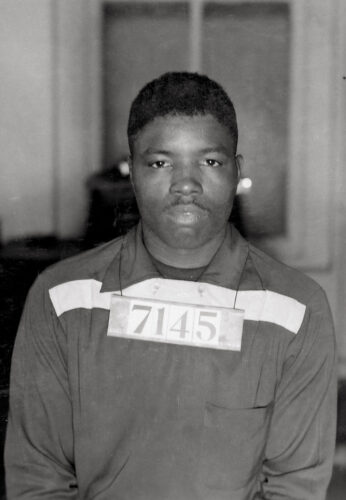
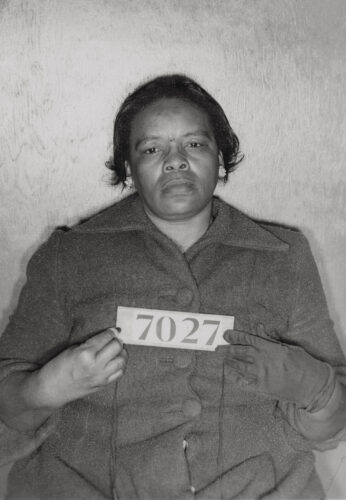
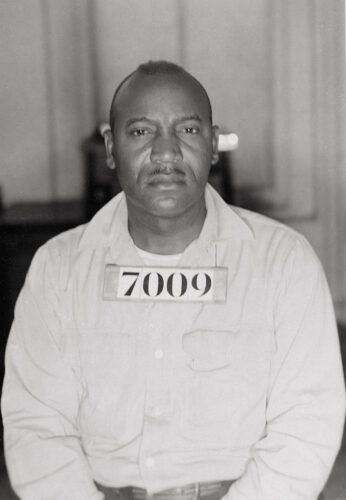
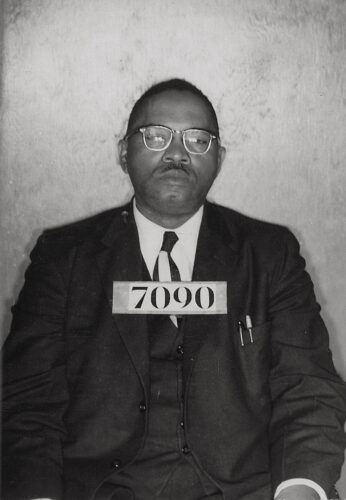
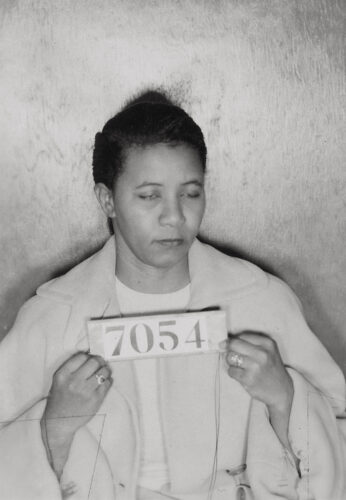
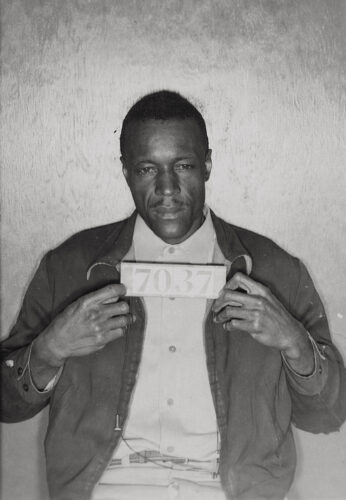
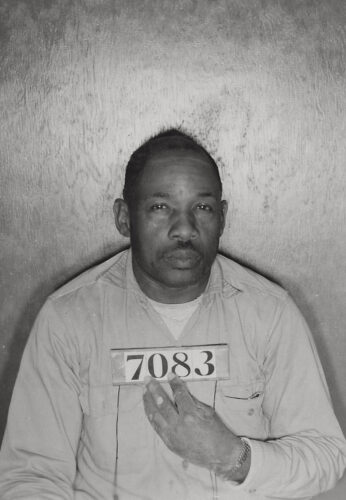
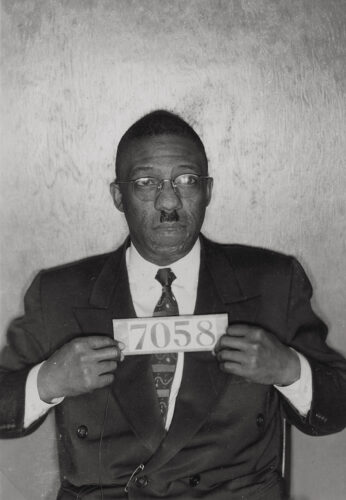
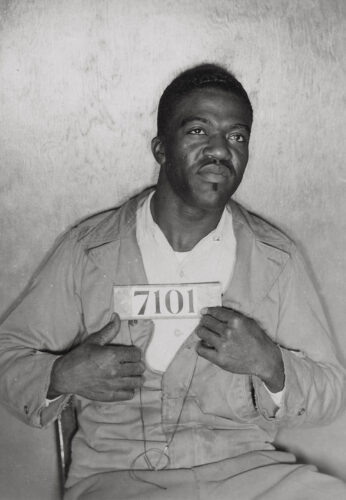
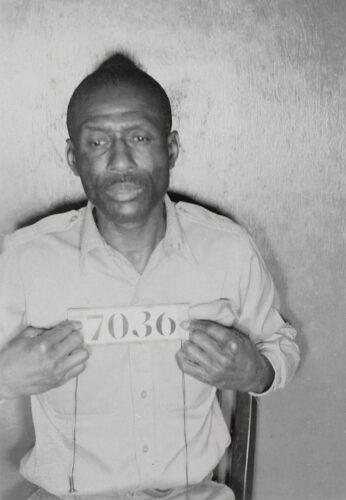
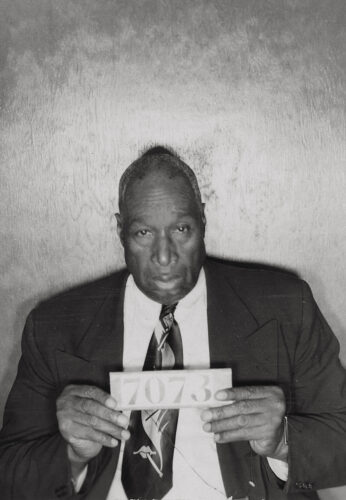
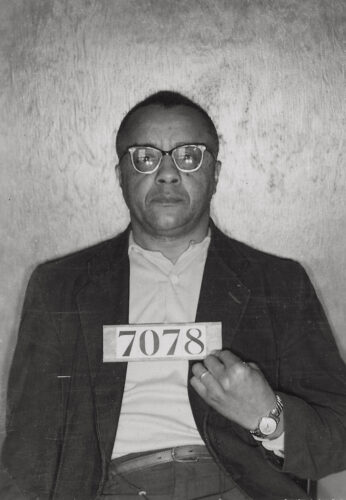
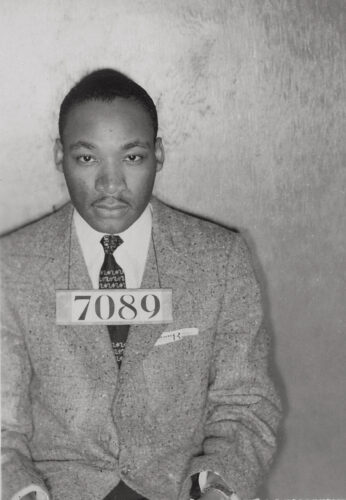
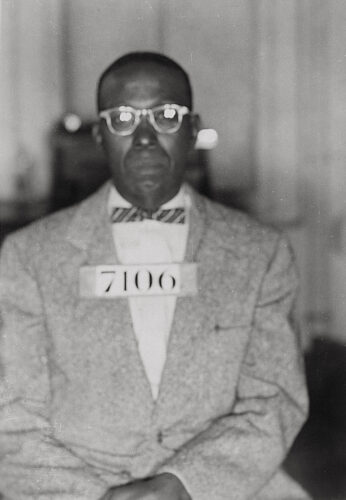
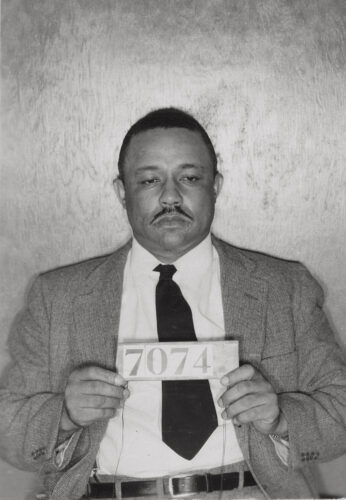
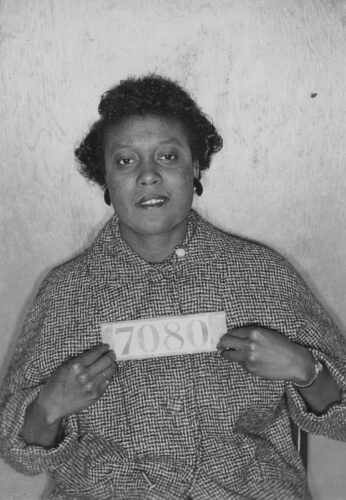
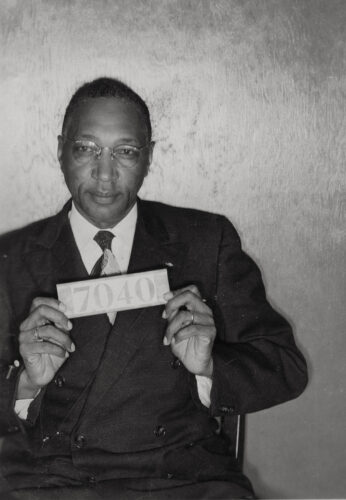
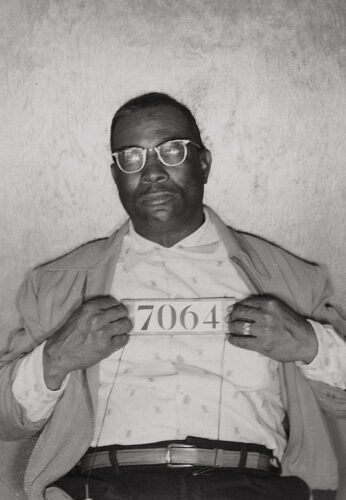
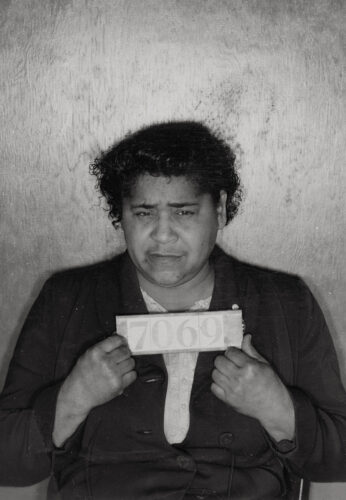
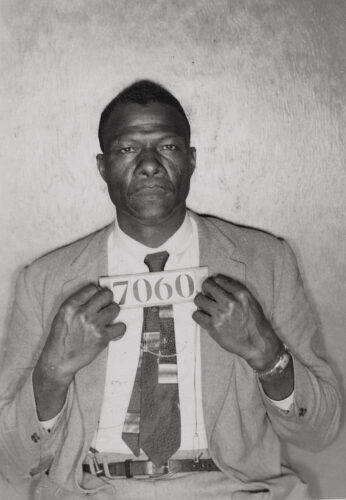
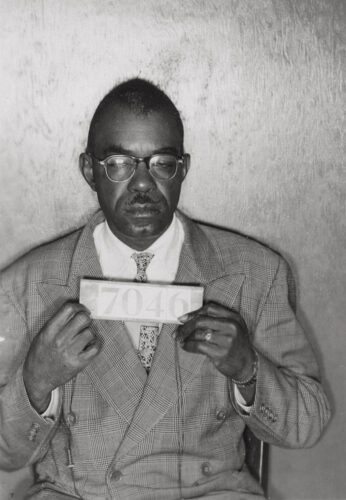
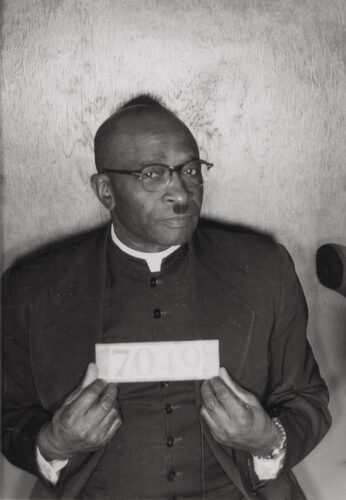
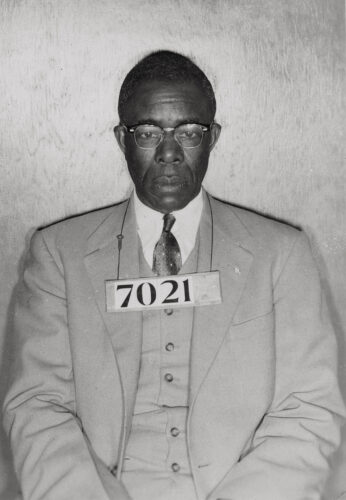
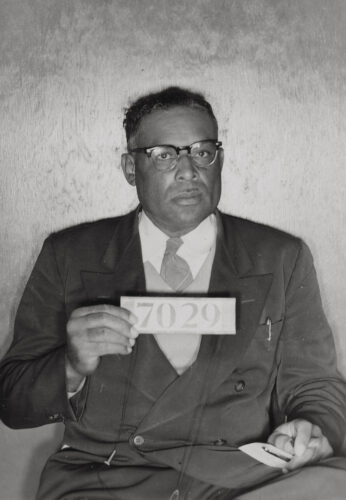
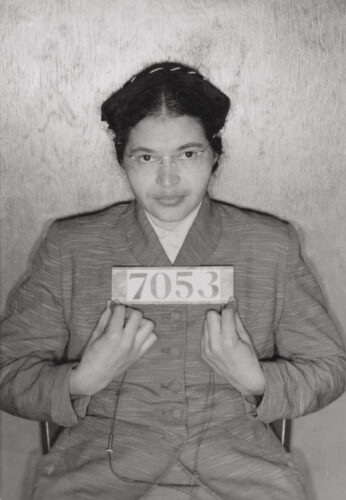
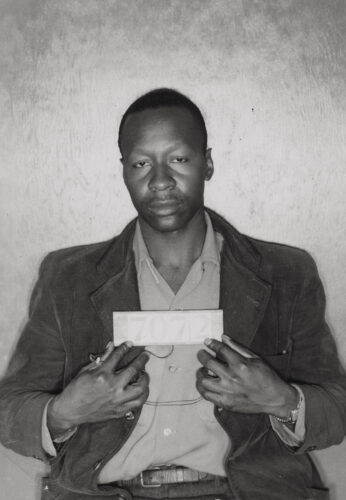
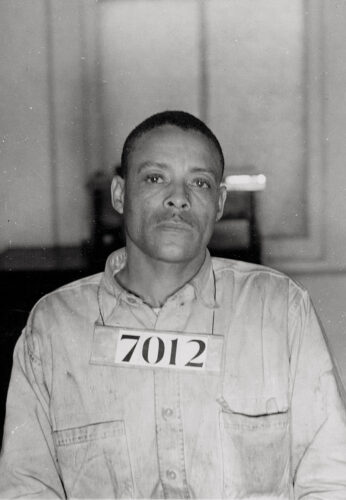
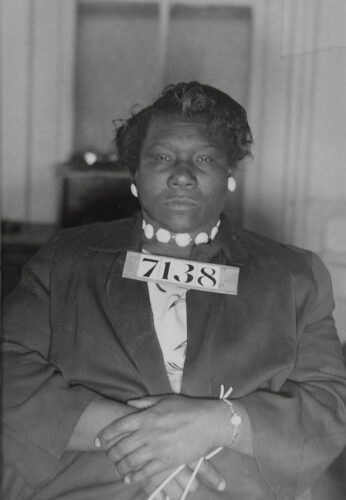
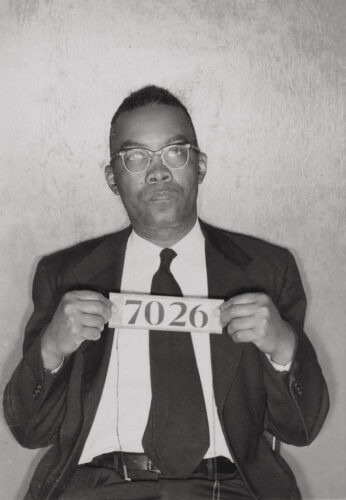
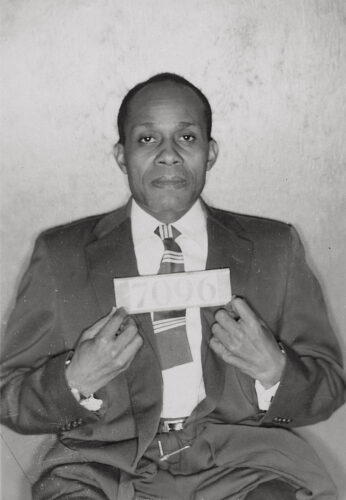
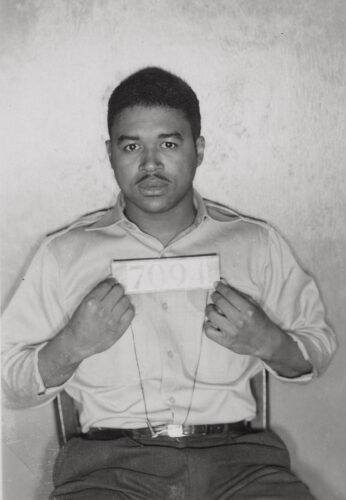
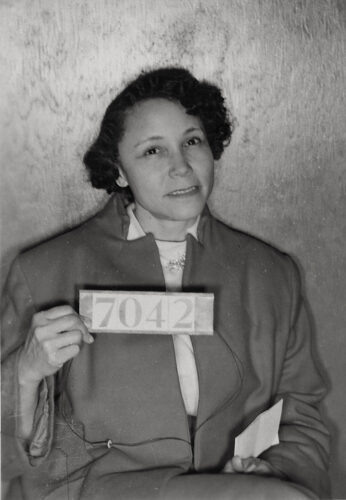
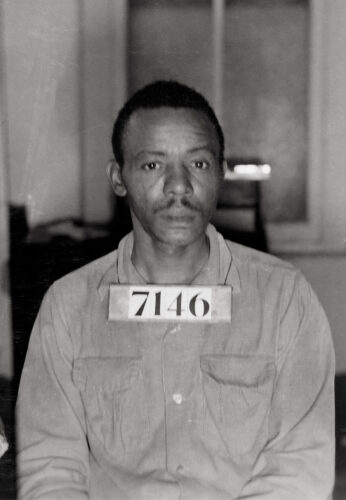
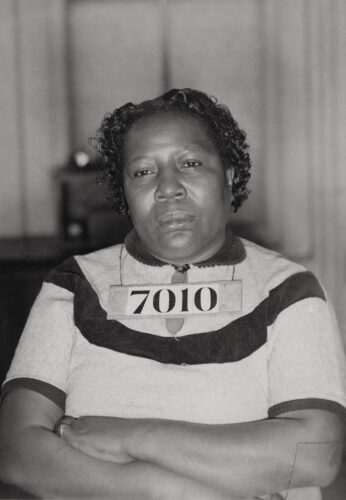
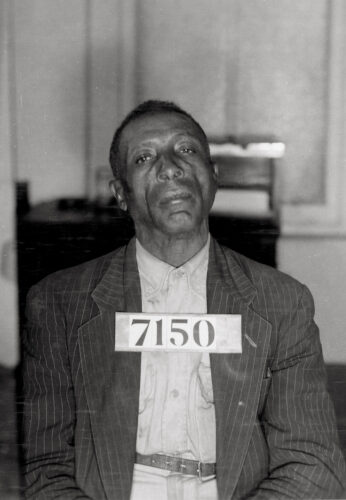
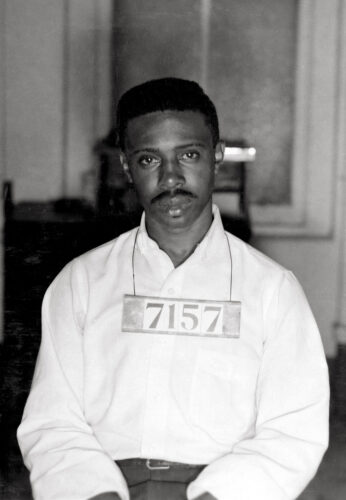
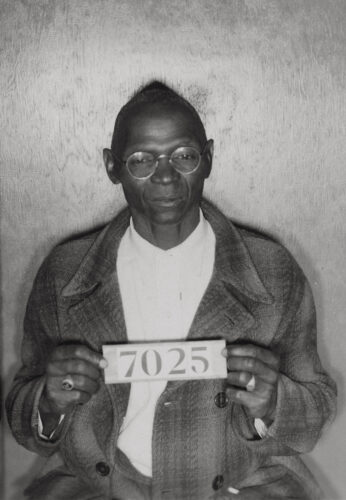
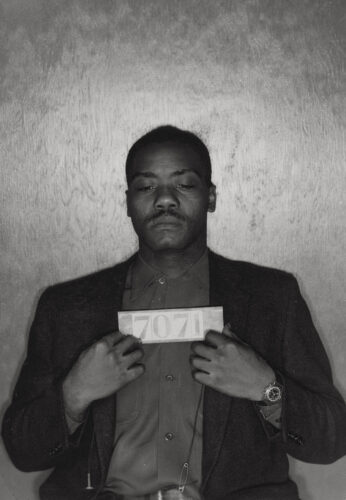
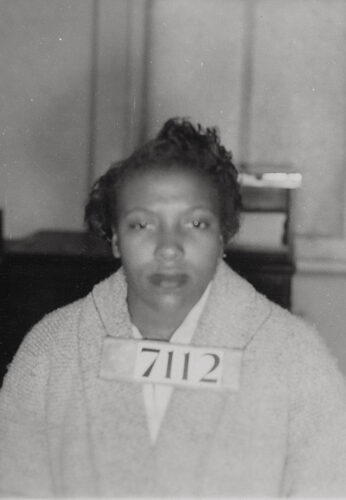
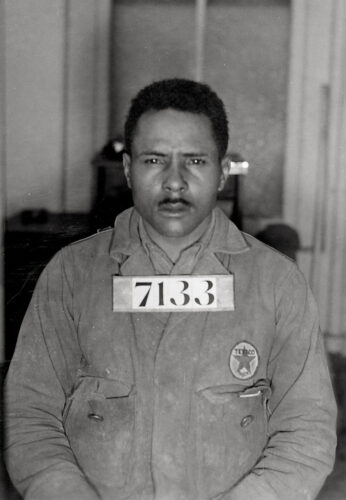
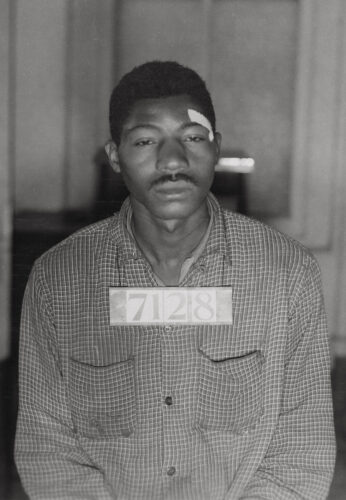
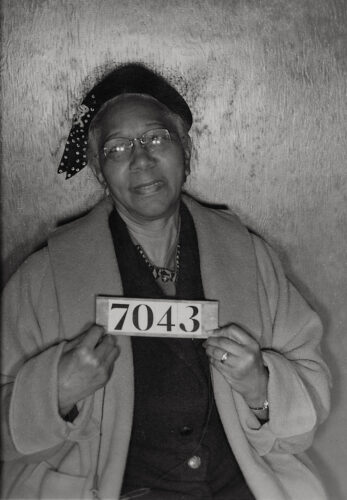
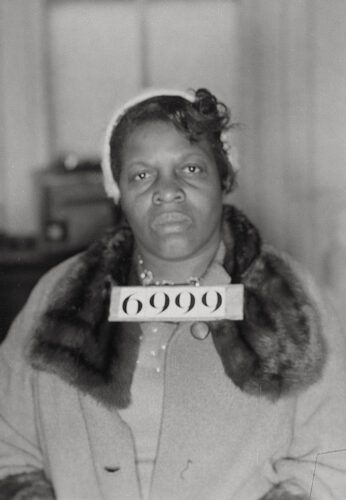
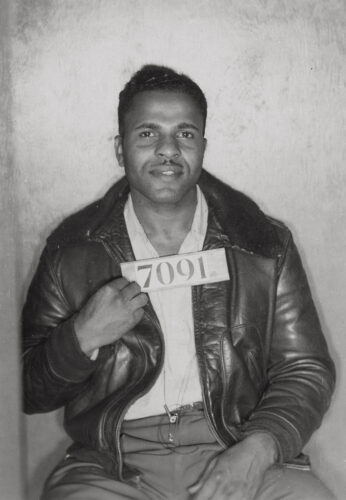
More than 100 Montgomery Bus Boycott activists were arrested in February 1956 for participating in the boycott. These courageous women and men took on enormous risks to unite and mobilize against racial segregation and humiliation on public transportation.
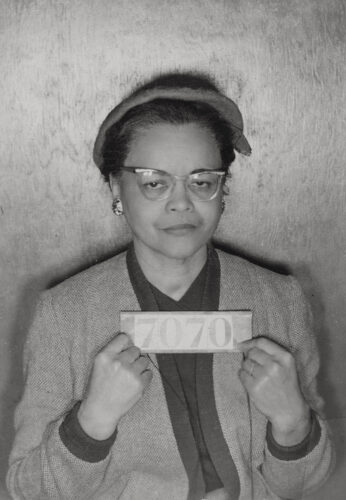
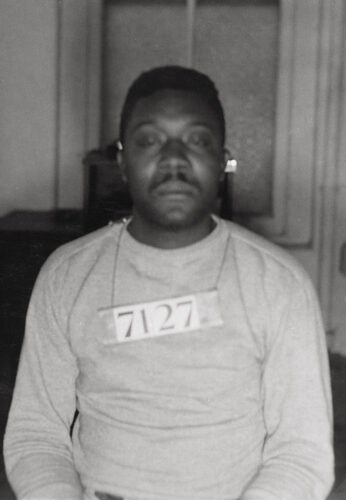
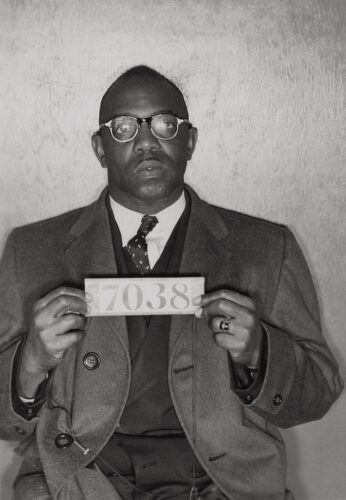
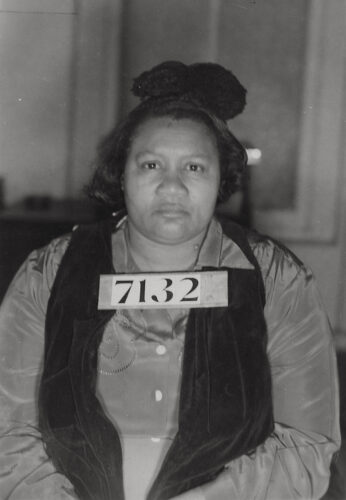
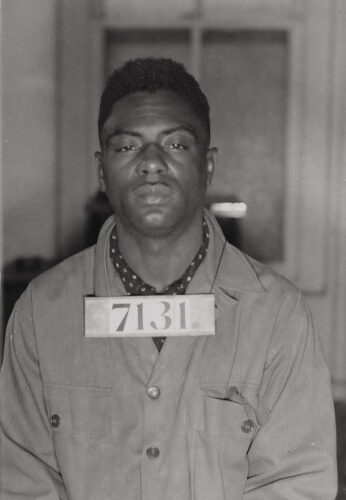
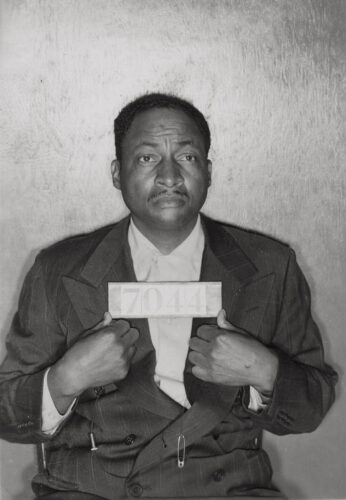
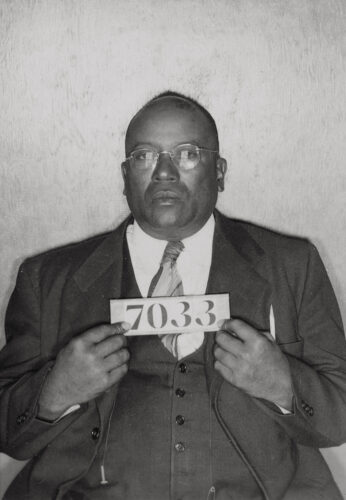
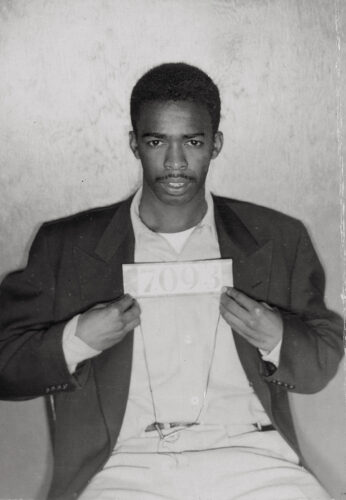
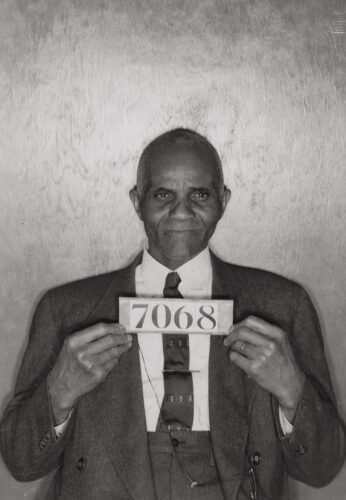
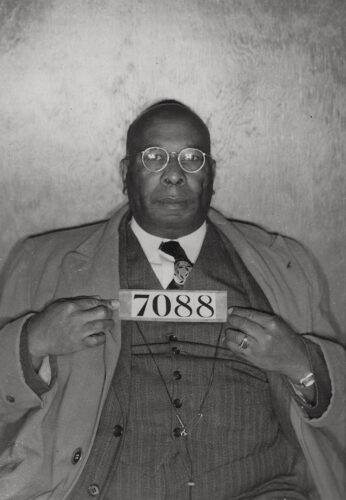
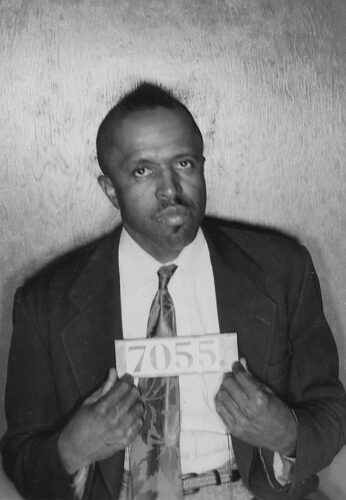
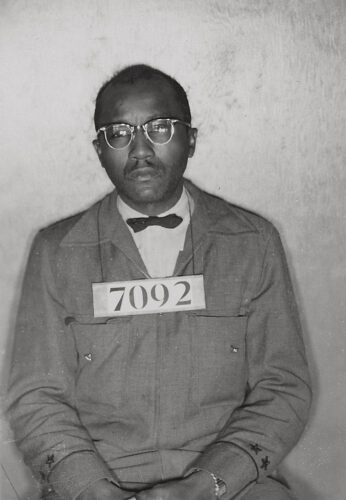
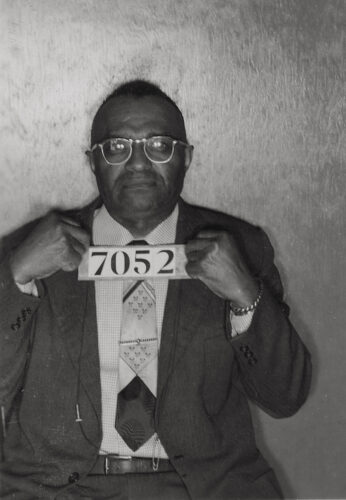
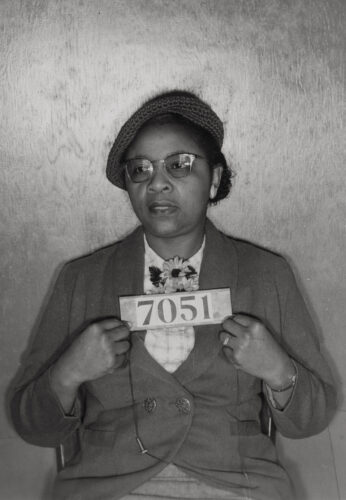
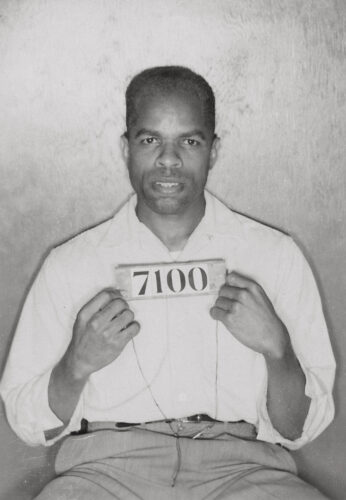
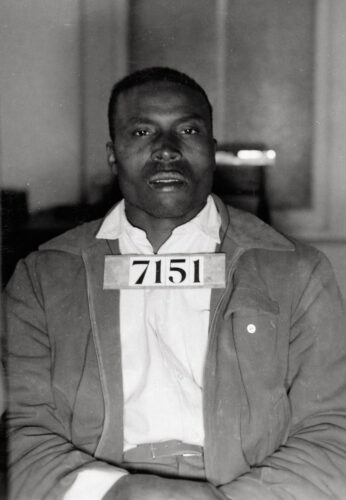
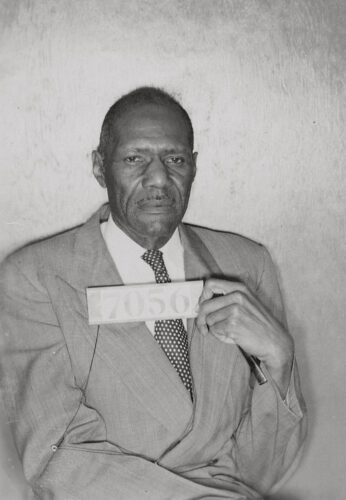
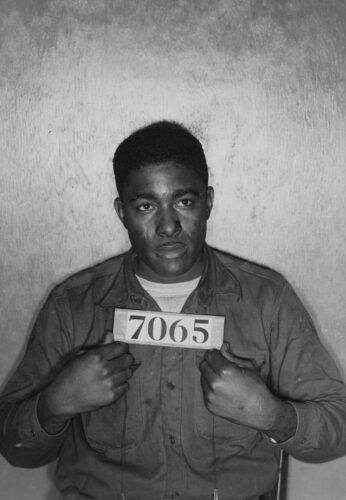
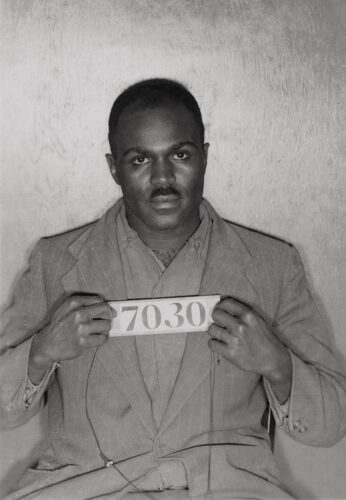
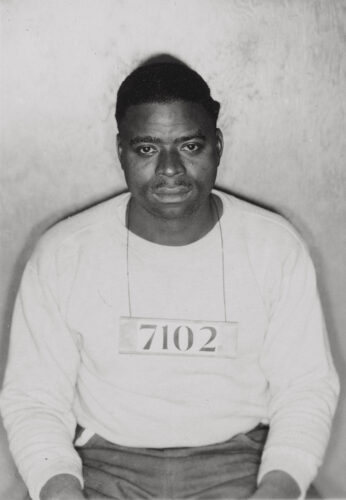
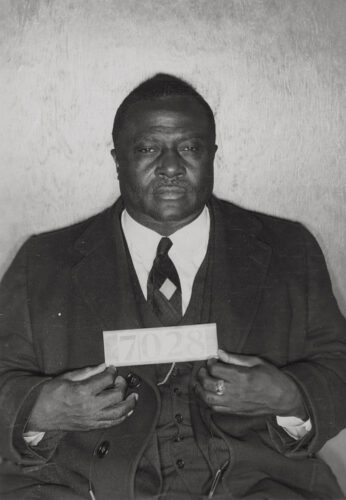
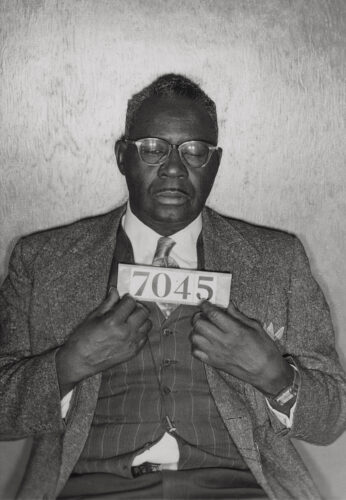
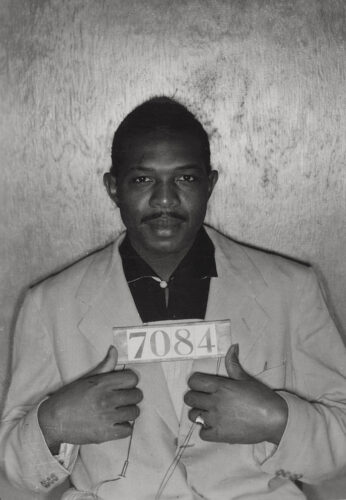
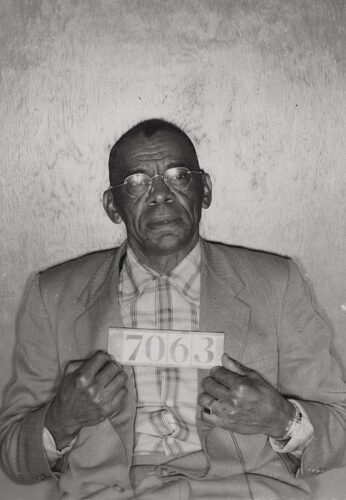
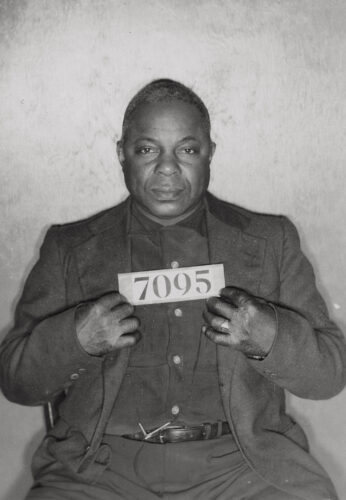
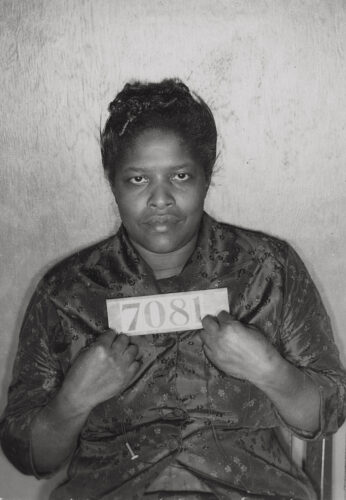
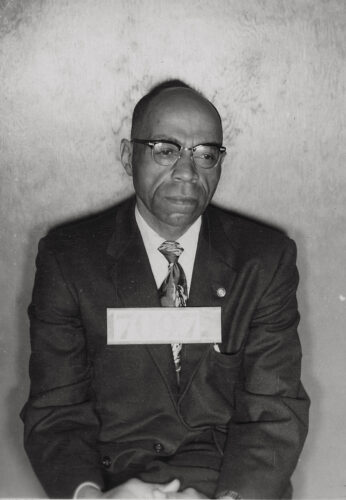
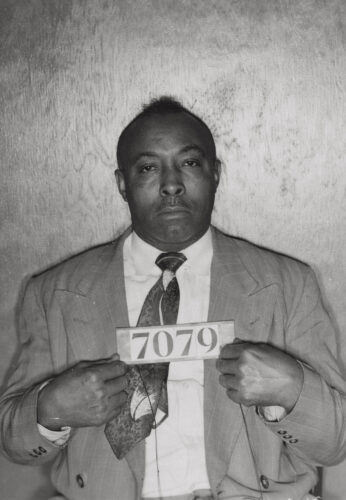
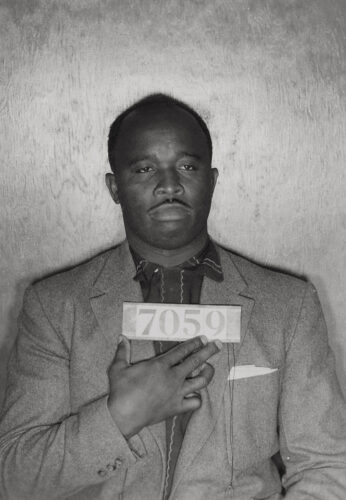
March 11, 1926 - April 17, 1990
July 3, 1905 - September 11, 1990
August 8, 1914 - September 6, 1986
March 14, 1915 - August 20, 1989
April 30, 1910 - March 25, 1974
1920 - December 3, 1997
January 13, 1926 - December 6, 2004
January 8, 1895 - January 1970
April 10, 1910 - February 26, 1985
June 28, 1926 - September 8, 1973
January 20, 1908 - January 3, 1984
July 21, 1893 - April 11, 1970
March 28, 1911 - January 7, 1979
February 20, 1902 - September 19, 1976
November 23, 1905 - May 16, 1982
October 31, 1932 - November 3, 2023
March 23, 1921 - January 1978
May 18, 1932 - August 11, 2012
January 16, 1929 - June 39, 1986
May 29, 1910 - June 1980
August 1, 1924 - February 22, 2001
May 12, 1912 - January 30, 1998
January 14, 1899 - September 25, 1977
March 15, 1930 - September 30, 1984
1884/1885 - January 11, 1978
July 5, 1893 - September 2, 1974
December 13, 1914 - December 6, 1997
1930 - March 19, 1994
March 28, 1907 - May 29, 1980
November 12, 1921 - February 6, 1979
April 11, 1919 - March 30, 2006
1909 - December 16, 1999
November 18, 1916 - February 25, 1986
December 14, 1930 -
June 2, 1923 - April 18, 2011
July 25, 1930 - September 17, 1990
April 12, 1932 - May 27, 2018
August 2, 1905 - March 16, 1970
September 28, 1898 - September 15, 1979
April 27, 1912 - December 26, 1981
October 16, 1925 - August 13, 1977
February 8, 1909 - 1972
June 12, 1912 - January 23, 1998
May 13, 1920 - July 19, 2004
March 6, 1892 - September 12, 1967
1909 - July 20, 1991
March 10, 1912 - December 27, 1978
1909 - January 24, 1971
May 21, 1921 - November 24, 1990
May 6, 1912/1913 - June 5, 1979
July 21, 1904 - July 2, 1966
1912 - May 29, 1992
January 16, 1926 - November 3, 2005
August 7, 1910 - November 24, 1980
September 4, 1887 - January 30, 1970
September 18, 1903 - April 1975
January 15, 1929 - April 4, 1968
February 6, 1907 - May 2, 1990
March 5, 1916 - April 26, 1986
November 16, 1927 - April 1, 1993
March 6, 1894 - June 23, 1968
February 22, 1908 - April 22, 1984
September 23, 1905 - October 17, 1982
February 10, 1910 - August 14, 1978
June 28, 1913 - July 28, 1992
December 24, 1901 - January 17, 1967
1906 - July 16, 2004
August 14, 1926 - April 19, 2007
1909 - circa 1981
1901 - January 1983
July 12, 1899 - February 25, 1987
December 27, 1901/1902 - July 14, 1971
February 4, 1913 - October 24, 2005
June 26, 1923 - March 16, 2011
October 5, 1919 - March 8, 2005
April 2, 1917 - July 14, 1984
1895 - January 3, 1981
June 23, 1932 - October 14, 2019
September 16, 1923 - February 11, 1995
November 2, 1908 - August 4, 1982
July 12, 1909 - October 5, 1961
January 13, 1932 - September 3, 2012
April 17, 1912 - August 29, 1992
January 1, 1919 - August 14, 1980
1903 - November 24, 1980
August 10, 1931 - January 30, 1996
June 6, 1924 - May 14, 2002
January 25, 1899 - April 8, 1988
April 1, 1904 - September 15, 1985
July 8, 1930 - October 12, 2016
June 16, 1897 - October 30, 1963
March 7, 1927 - March 17, 2002
June 1934 -
July 12, 1893 - February 1, 1967
January 14, 1905 - July 1969
April 24, 1918 - June 26, 1979
October 19, 1904 - October 23, 1971
September 23, 1930 - July 25, 1966
September 30, 1890 - September 7, 1975
July 26, 1912 - June 24, 1980
January 24, 1907 - April 25, 1980
May 23, 1919 - July 6, 1999

April 25, 1926 - May 15, 1976
February 13, 1913 - January 1, 1996
November 1933 - April 23, 2016
September 19, 1911 - August 8, 1987
August 9, 1907 - September 7, 1979
September 17, 1918 - March 23, 2012
June 23, 1920 - July 13, 1984
January 27, 1933 - November 10, 2012
November 18, 1919 - March 15, 1994
August 20, 1936 - March 28, 1993
August 3, 1902 - August 1989
July 12, 1899 - February 25, 1987
A union leader and activist, Edgar Daniel (E.D.) Nixon became a critical member of the civil rights movement. Born in Lowndes County, Alabama, in 1899, Mr. Nixon worked as a Pullman Porter attendant on railway cars—a job occupied primarily by Black men, many of whom were formerly enslaved or descendants of formerly enslaved people. In 1928, Mr. Nixon joined the A. Phillip Randolph’s Brotherhood of Sleeping Car Porters Union; he would later co-found and serve as president of the Montgomery branch. Mr. Nixon also served as the president of the Montgomery Voters League and led a march of more than 700 people to the Montgomery County Municipal Courthouse to protest discriminatory voting laws in 1944. In 1954, Mr. Nixon was the first Black person in the 20th century to run for elected office in Montgomery. Well-regarded as a dedicated and lifelong fighter of discrimination, he was often the first call after a Black Montgomerian’s civil rights were violated.
As the former president of the Alabama branch of the NAACP and current president of the Montgomery Progressive Democratic Association, Mr. Nixon was involved in earlier negotiations with bus company officials spearheaded by the Women’s Political Council (WPC) calling for: the courteous treatment of Black bus riders; more bus stops in Black neighborhoods; an end to requiring Black patrons to pay at the front of the bus, disembark, and board at the rear; and fairer seating policies. In 1955, Mr. Nixon helped bail Rosa Parks out of jail after she was arrested for refusing to give up her seat on a Montgomery city bus. In response to Ms. Parks’s arrest, the WPC again called for a boycott of city buses. Mr. Nixon brought the proposal to the Rev. Martin Luther King Jr., declaring, “We have taken this type of tilling too long already. I feel that the time has come to boycott the buses.” The treasurer of the Montgomery Improvement Association (MIA)—an organization created to help lead the Montgomery Bus Boycott—Mr. Nixon provided both financial and political support for the 13-month-long protest. In February 1956, Mr. Nixon’s home was firebombed. Weeks later, he was arrested for participating in the Montgomery Bus Boycott. In 1986, Mr. Nixon’s home was placed on the Alabama Register of Landmarks and Heritage. He passed away a year later at 87 years old.