
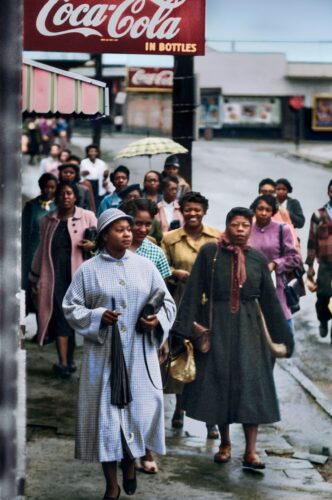
The activism of people in the Montgomery community following the arrest of Rosa Parks shocked the world. Fifty thousand Black people boycotting buses for over a year was an unprecedented act of organized resistance. Committed citizens ultimately succeeded in ending degradation and abuse on buses.
A decade later, when thousands of people marched for voting rights from Selma to Montgomery, a new era in America was born. The passage of the Voting Rights Act in 1965 and the end of codified racial segregation that had persisted for over a century lifted this nation closer to its promise of liberty and justice for all.
The decade from 1955 to 1965 brought historic and enduring change to Montgomery, the United States, and the world.
Starting on December 5, 1955, Montgomery’s Black community defiantly challenged generations of oppression and, in the face of retribution and violence, launched the Montgomery Bus Boycott that, 382 days later, ended legally sanctioned racial segregation and humiliation on public transportation.
The Montgomery Decade That Changed the World tells the lesser-known stories of the many Black women who were arrested on segregated Montgomery buses in the years leading up to the arrest of Rosa Parks and details the abuse, humiliation, and violence that Black people had endured for decades.
Our report explains how the activism of Montgomery was shaped by the history of racial injustice in Alabama—and how it, in turn, shaped the sit-ins, Freedom Rides, read-ins, and marches that followed the Bus Boycott and culminated in the Selma-to-Montgomery March in 1965.
Today, all of us—across the country and the world—live in a world shaped by this period of astonishingly effective activism in Montgomery. We are all the heirs of this powerful movement that strengthened this country.
The battle for racial equality in America is not over. Learning our history and sharing the stories of the heroic people on whose shoulders we stand is critical to equip us to do the work that remains.
Equal Justice Initiative, "The Montgomery Decade That Changed the World: 1955 to 1965" (2026).
Our reports explore America’s history of racial injustice from enslavement and racial terror lynching to segregation and mass incarceration.
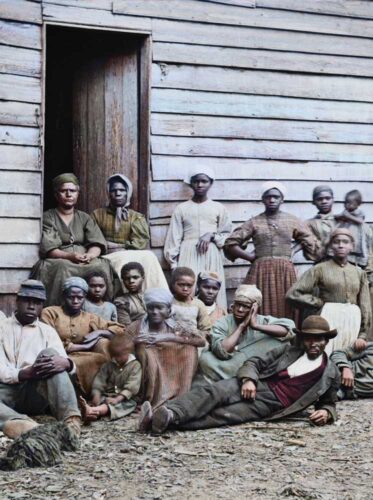
The Montgomery Slave Trade

Racial Violence After the Civil War
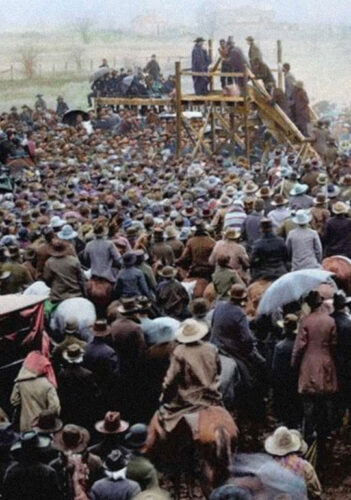
Confronting the Legacy of Racial Terror